
Listening Across the Pae ʻĀina: 2026 MKSOA Community Workshops
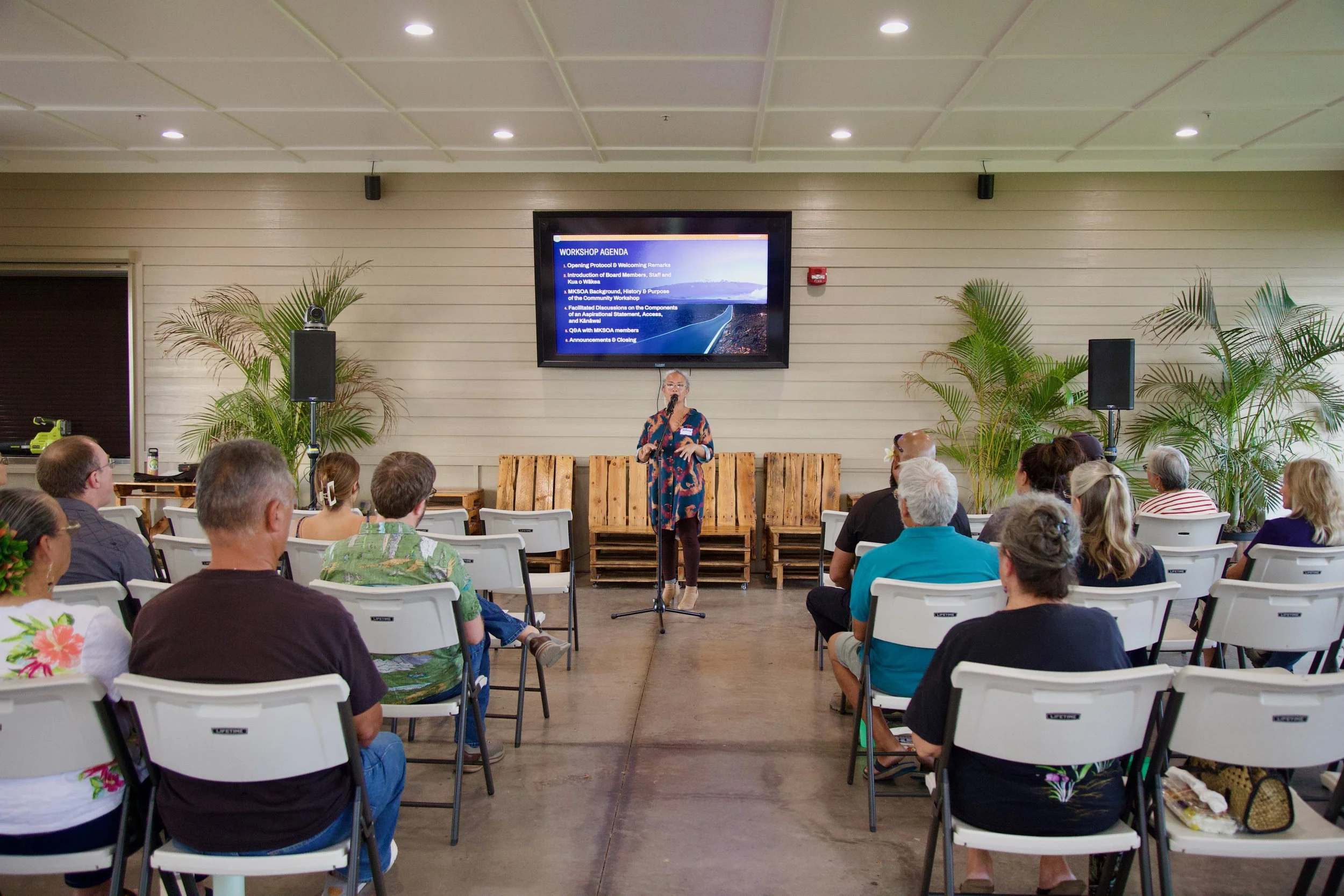
In early 2026, the Mauna Kea Stewardship and Oversight Authority (MKSOA) hosted ten community engagement workshops across the pae ʻāina, including gatherings on Oʻahu, Maui, Molokaʻi, Kauaʻi, and Hawaiʻi Island.
Established in 2022 by the State of Hawaiʻi through Act 255, MKSOA was created as a new governance body to manage activity on Maunakea through a mutual stewardship framework. Mutual stewardship prioritizes the mauna and the community’s collective good above individual stakeholder interests and seeks to balance cultural practice, environmental protection, education, and scientific research. As the Authority prepares to assume management responsibilities and develop a management plan, these workshops help ensure that the path forward is shaped by community voice, cultural context, and shared kuleana.
These workshops created spaces to listen, connect, and talk story, bringing community members and the Authority together to share ʻike and reflect on the future stewardship of Maunakea with a focus on access and aspiration, topics that are helping to inform how access may be defined and what stewardship is working toward
Each gathering began with protocol and an overview of MKSOA’s role, followed by small-group conversations where community members could share perspectives, experiences, and manaʻo in a more personal and relational setting, contributing directly to a planning process that is still taking shape.
Unlike planning processes where community feedback is often sought only after a plan is drafted, these workshops invited community members into the process from the beginning, ensuring that their input will inform the development of the plan rather than having only limited impact on a finalized proposal.
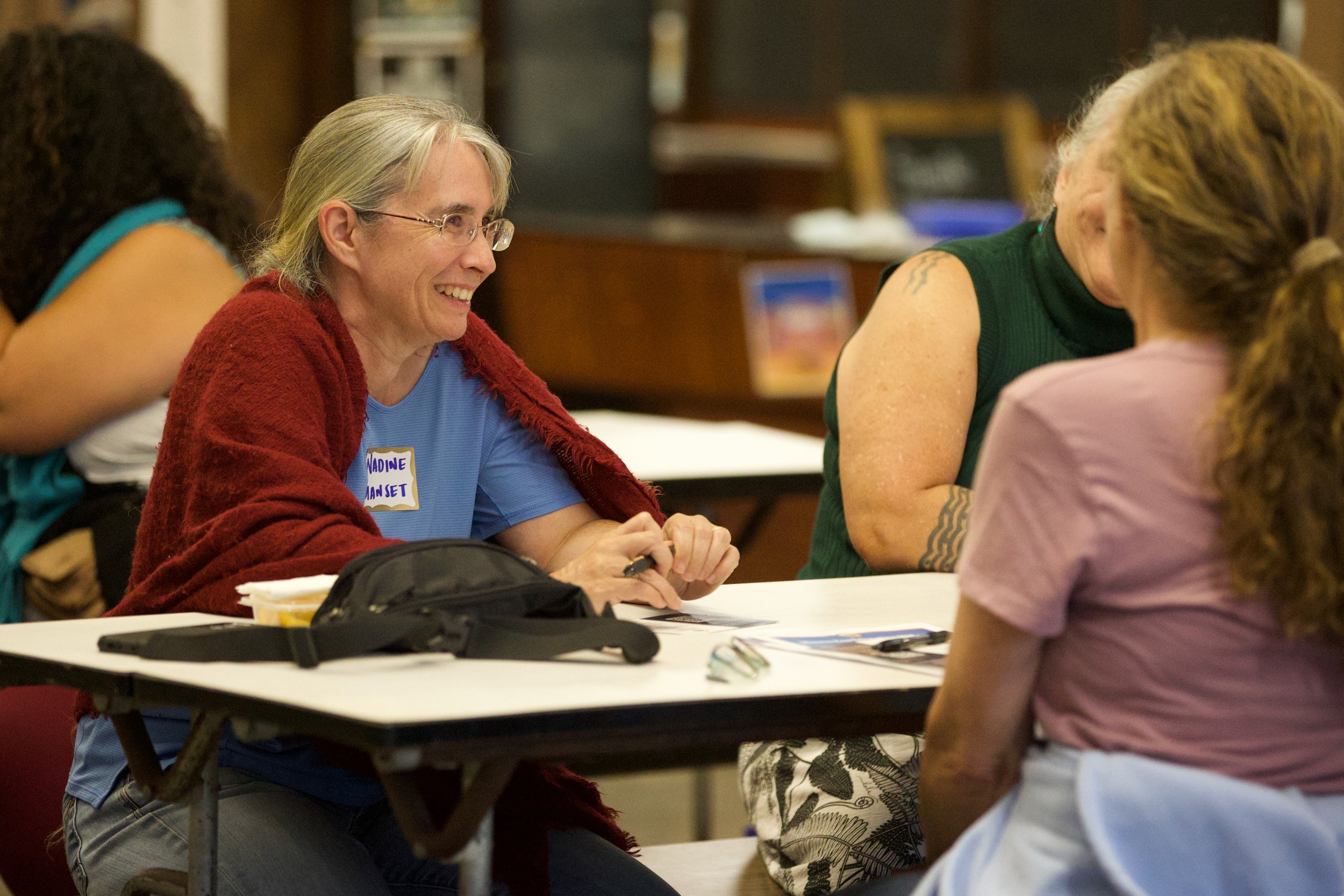
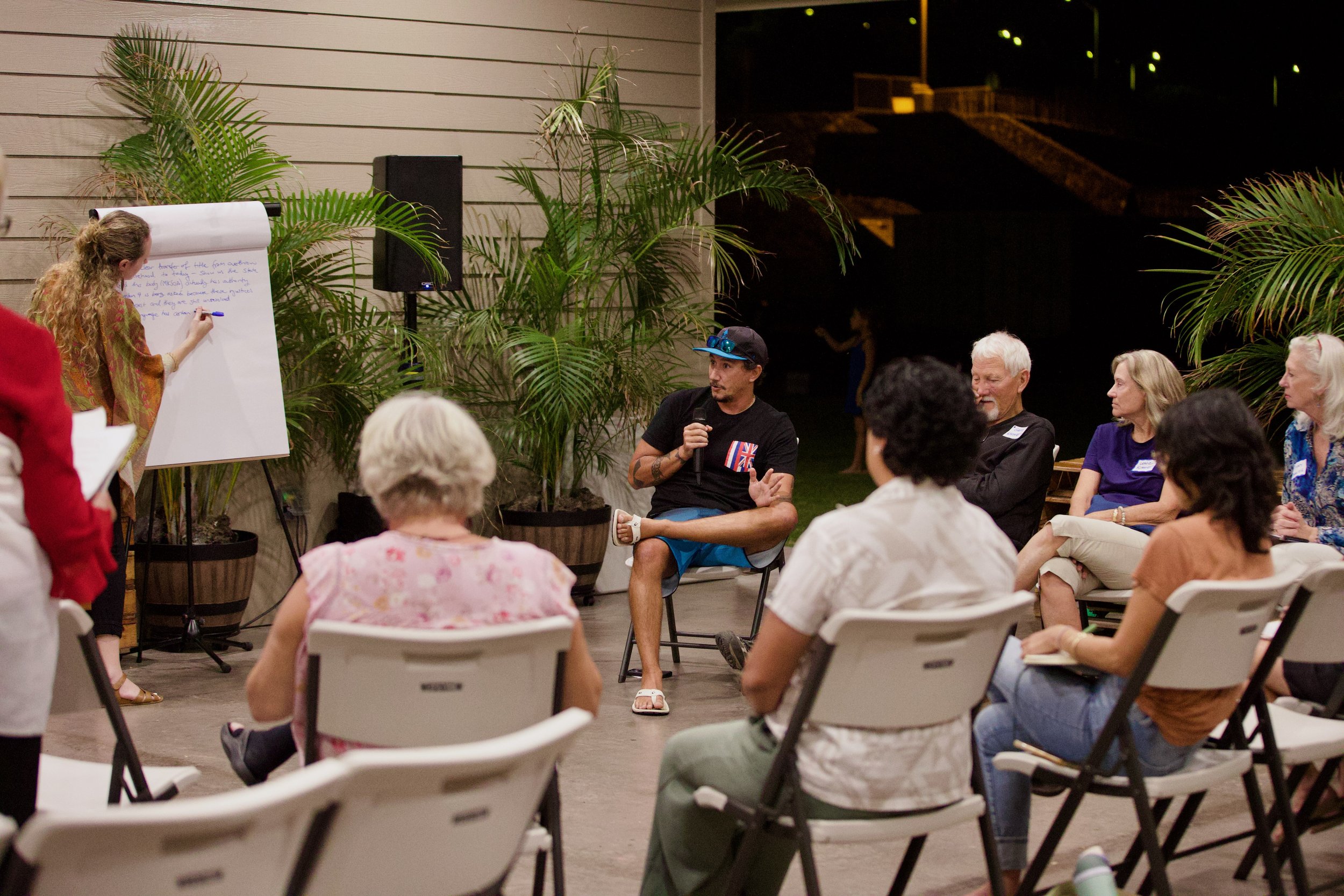
At workshops across the islands community members reflected on the depth of connection people hold with the mauna. For some, this connection was described as deeply personal and spiritual, while others spoke to how the workshops created space to better understand perspectives beyond their own. Community members shared that the conversations deepened their respect for the range of feelings and relationships people have with Maunakea, while also prompting reflection on their own access to the mountain.
Community members spoke to the reality that differing views are often rooted in lived experience, history, and ongoing relationships to the mountain. Even where perspectives differed, there was a shared recognition of the importance of continuing these conversations, particularly as they help shape decisions that are actively being made
The timing of these discussions is especially significant. The conversations were important not only for addressing past harms but also for navigating present-day decisions such as land use, access, and the future of existing agreements.
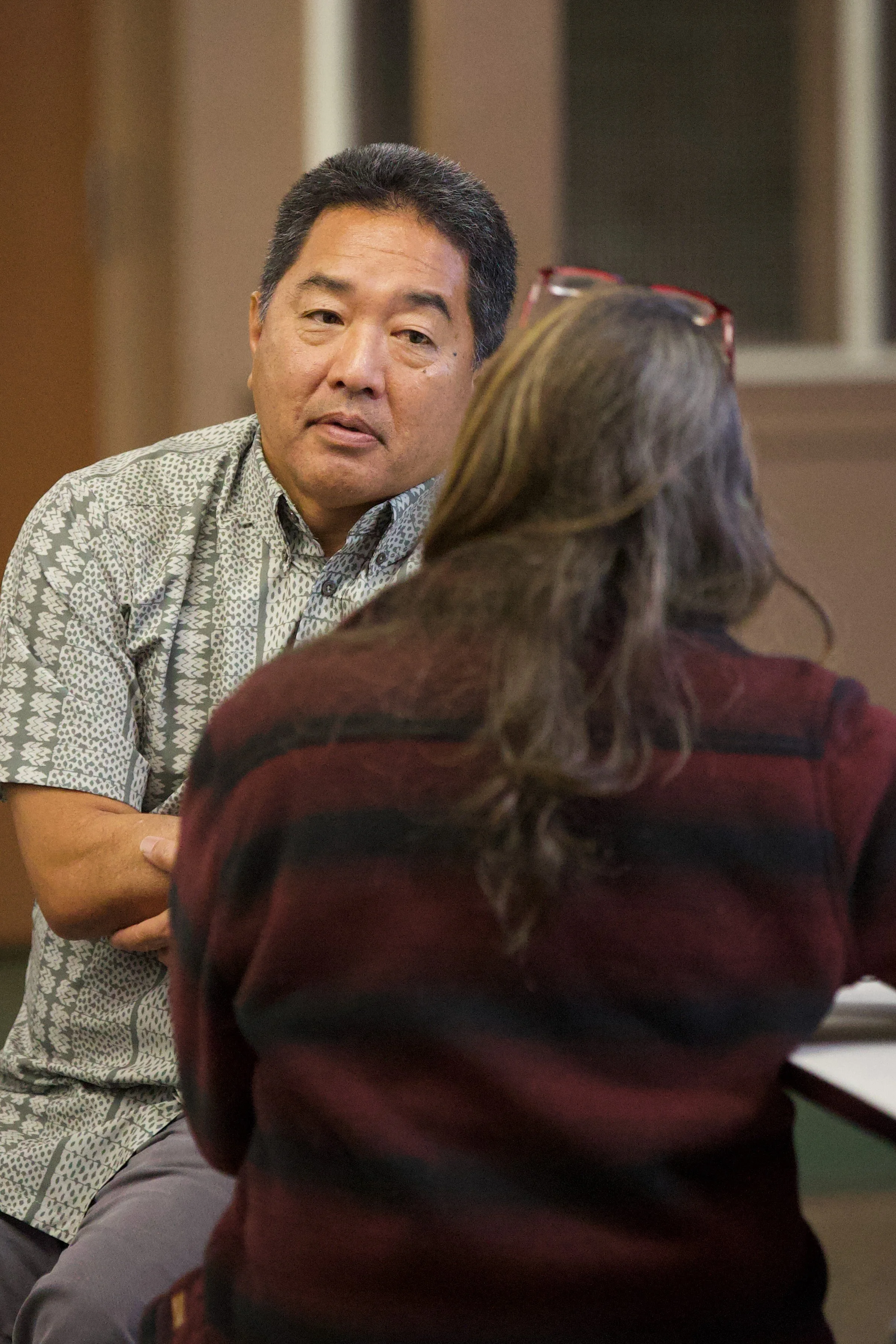
For members of the MKO community, attending these workshops was an opportunity to listen; hear directly from community members; and better understand the relationships, histories, and perspectives that shape how people connect to Maunakea. It was also an opportunity for MKO staff to share about the work they do and their perspectives on mutual stewardship and kuleana, with the understanding that this planning process will directly inform the future of astronomy on Mauanakea.
Warren Skidmore, Deputy Director of the NASA Infrared Telescope Facility, emphasized the need for “stewardship approaches that recognize the differing relationships and strong responsibilities people have to Maunakea, with access and limitations reflecting those differences,” a perspective that was echoed by other members of observatory leadership.
For Jean-Gabriel Cuby, Executive Director of the Canada-France-Hawaiʻi Telescope, the workshops reflected a broader shift in how decisions about Maunakea can be made. He described the process as grounded in trust-building, cultural protocol, and community input. He shared that “the workshops were an opportunity to learn from and be inspired by the Hawaiian community at work” and that the “kuleana, ʻike, and manaʻo shared were enlightening and deeply motivating.” He also noted that he left the meetings “re-energized by a more socially grounded approach to shaping Maunakea’s future.”
Kenika Lorenzo-Elarco, Community Engagement Manager at the W.M. Keck Observatory, also reflected on the breadth of voices represented across the pae ʻāina, noting both the diversity of perspectives and the consistency in what people shared. He shared that “I listened to voices from different islands, each carrying their own moʻolelo, ʻike, and pilina to Maunakea” and that “even across different perspectives, people returned to shared understandings of kuleana, the weight of history, and the need to move forward in ways that are accountable to both people and place.”
As Kenika noted, decisions about Maunakea are not abstract; they are actively unfolding and will shape stewardship for generations. He emphasized that “these conversations are part of an ongoing process, not a single moment of input,” and that meaningful stewardship must reflect “a sustained practice of listening, accountability, and care.”
As MKSOA continues its work, these conversations serve as a foundation, highlighting the importance of listening, relationship-building, and shared responsibility in shaping the future stewardship and governance of Maunakea.
