
Behind every astronomical discovery are the stories and experiences of the people who made it possible. Explore the latest from across the Maunakea Observatories.
STORIES
Search for stories by keyword or explore a category using the buttons.
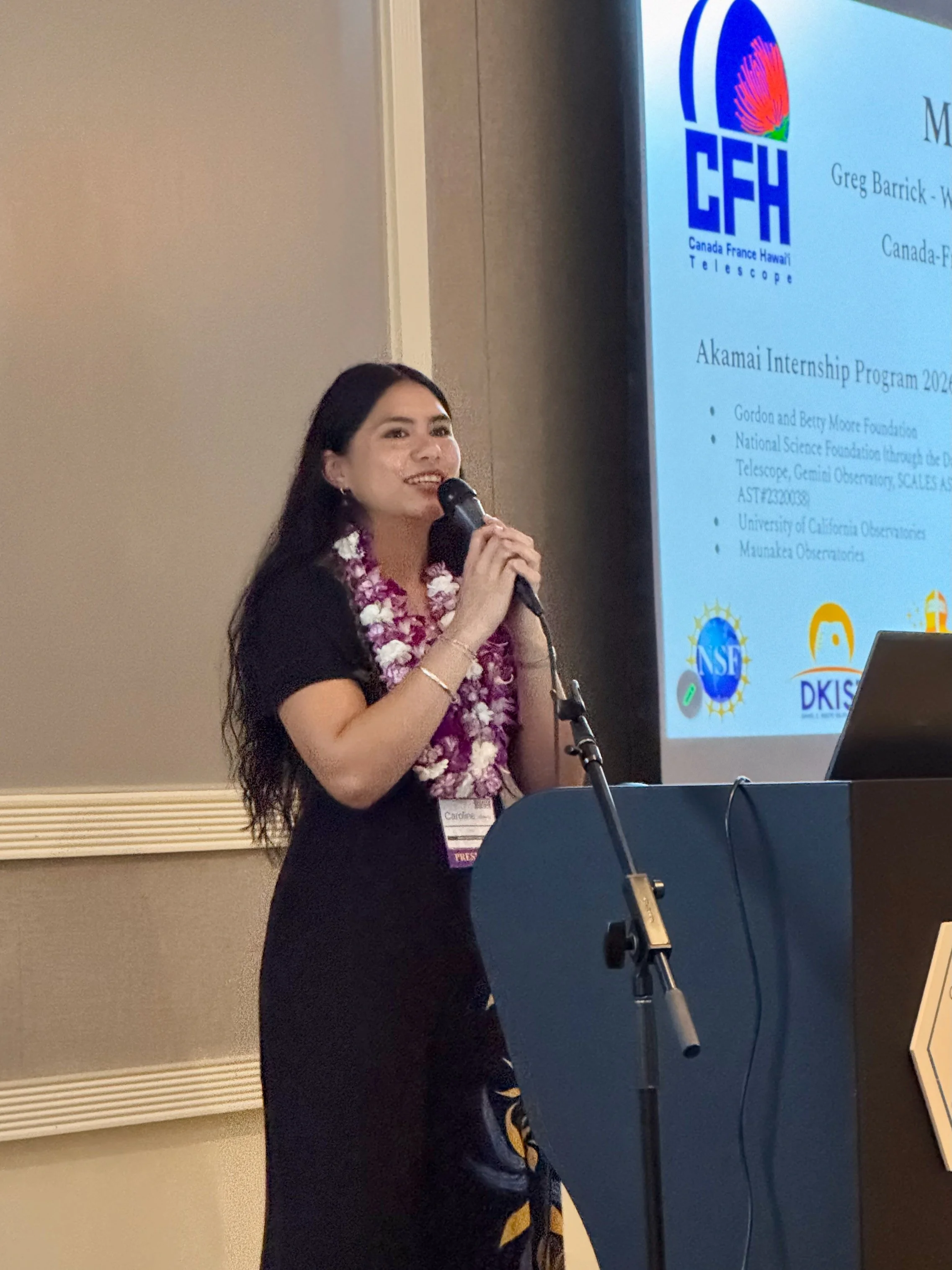
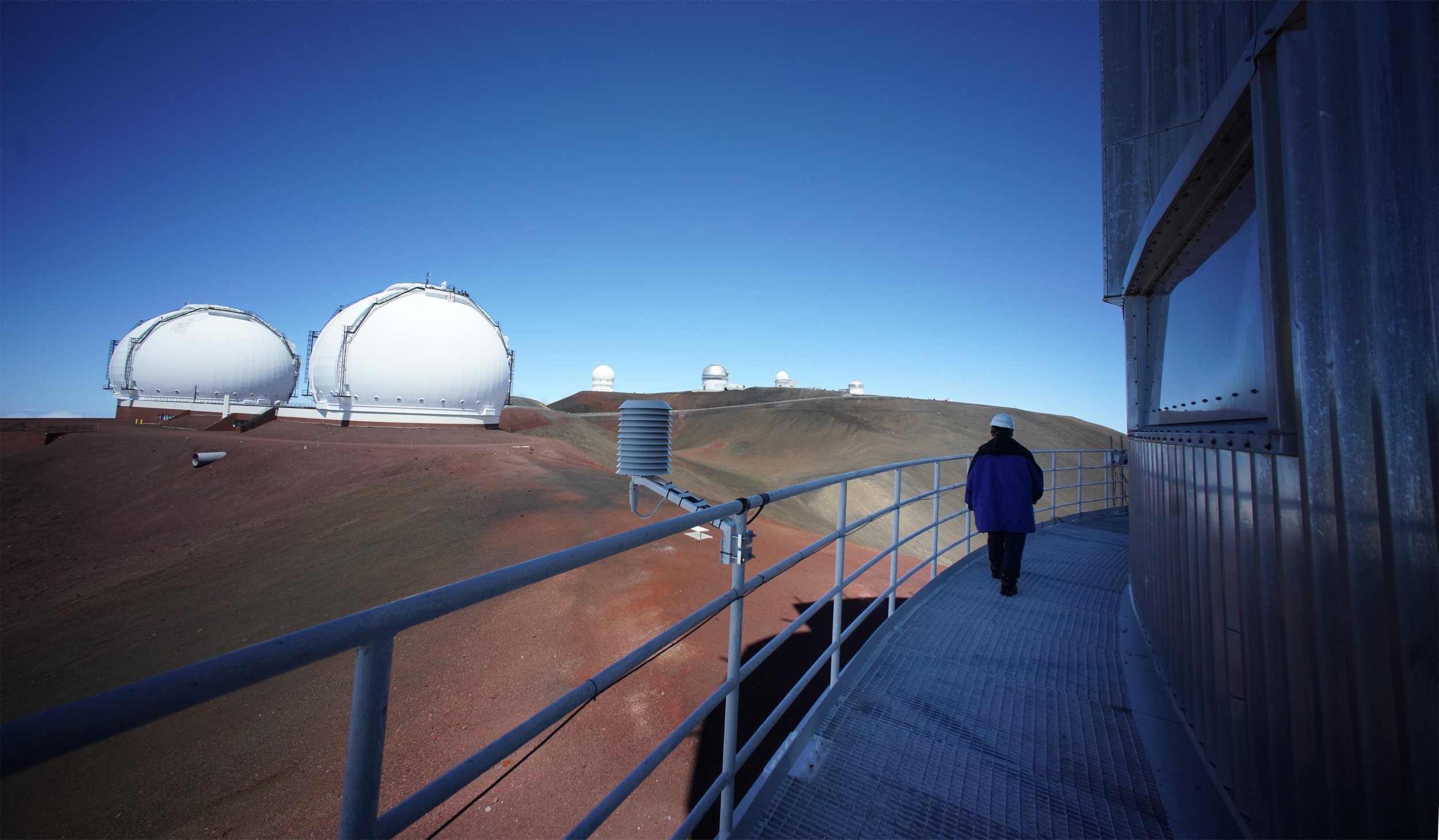
Akamai Interns Shine at 2026 Symposia
This year's Akamai interns stood out for their energy and professionalism, from a late night in a telescope machine shop to coding help offered well beyond an assigned project.
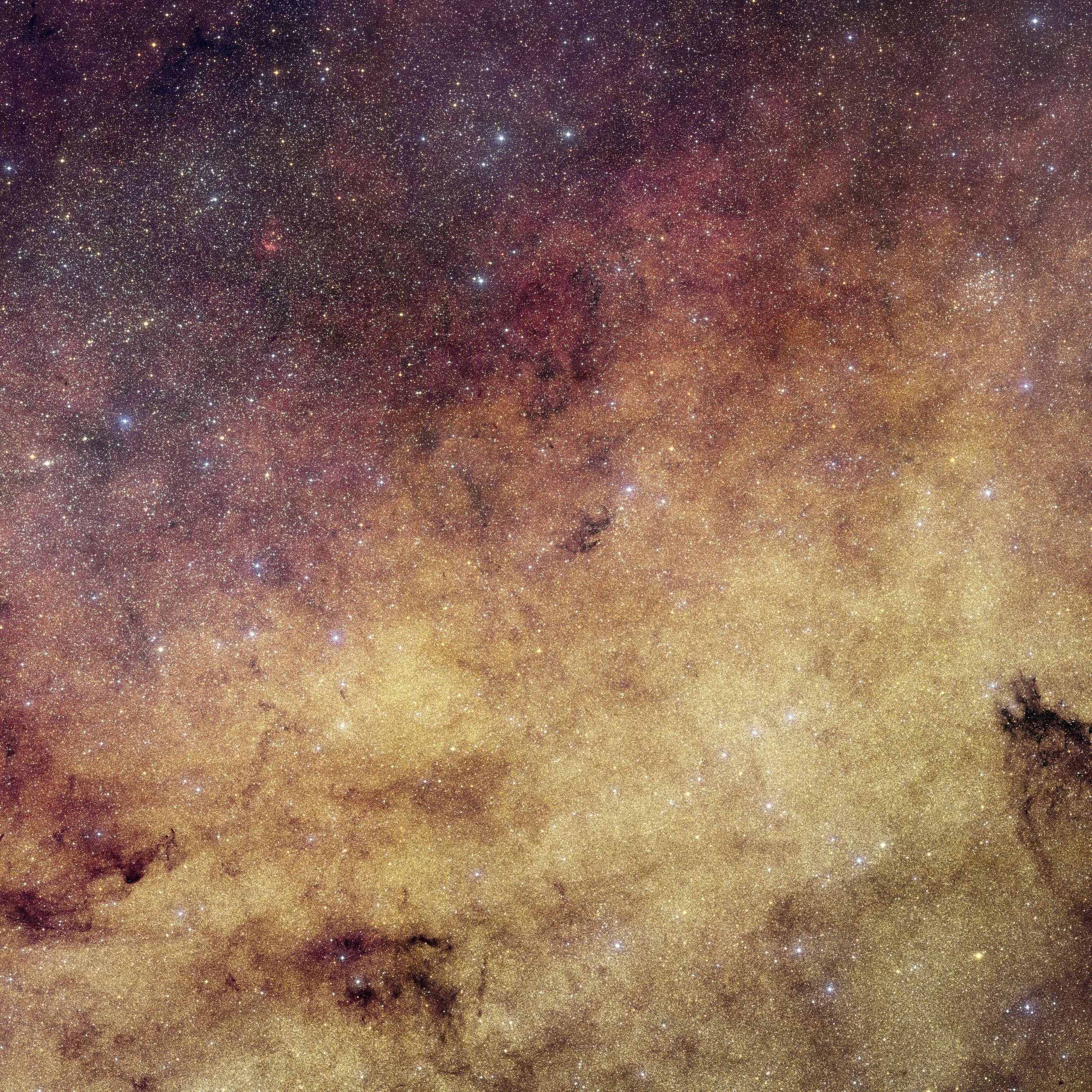
Journey Towards Cosmic Dawn
In 2023, the Euclid telescope launched with the ambitious mission of mapping one-third of the night sky. Four Hawaiʻi-based telescopes, including the W.M. Keck Observatory, Subaru Telescope, and Canada-France-Hawaiʻi Telescope on Maunakea and the University of Hawaiʻi Institute for Astronomy’s Pan-STARRS Telescopes on Haleakalā, are working in collaboration with Euclid to search for the earliest objects in the universe and form a richer picture of the deep sky.
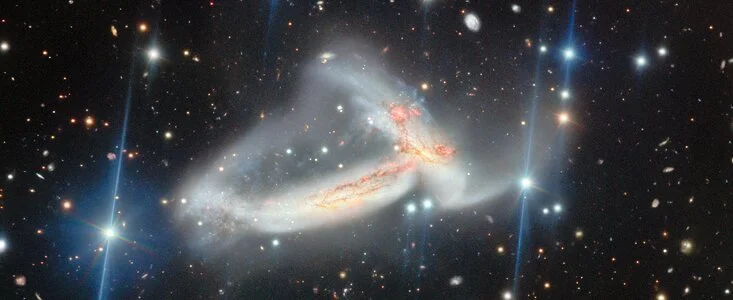
Hawaiʻi Students Name Image of Glittering Galaxy Pair Nā ʻUhane Māhoe Huki Pū i ke Ola
Nā ʻUhane Māhoe Huki Pū i ke Ola is the Hawaiian name given to this image of NGC 7253 — a pair of spiral galaxies caught in each other’s gravity. Captured by the Gemini North telescope on Maunakea in Hawai‘i, this image created a spectacular symbolic display for this year’s interns participating in Project Hōkūlani.
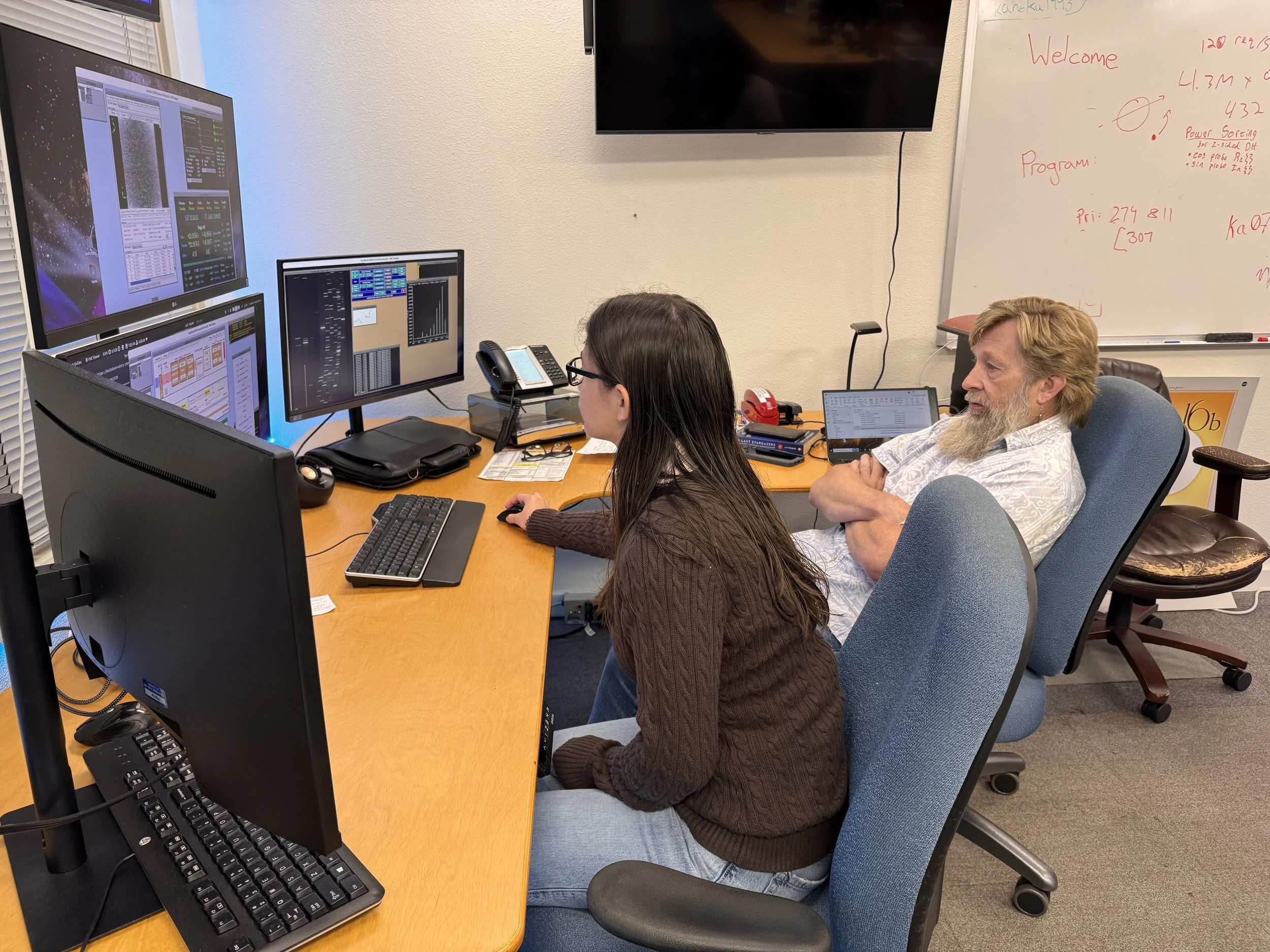
Beyond the Classroom: One Student’s Quest to Understand Barium Stars
Waipahu High School senior Natalie Tosta’s passion for astronomy has led her from the classroom to Maunakea Scholars to a STEMworks Innovation Internship. Now, she has taken her STEM journey to the summit of Maunakea to conduct research on barium stars at the W.M. Keck Observatory.
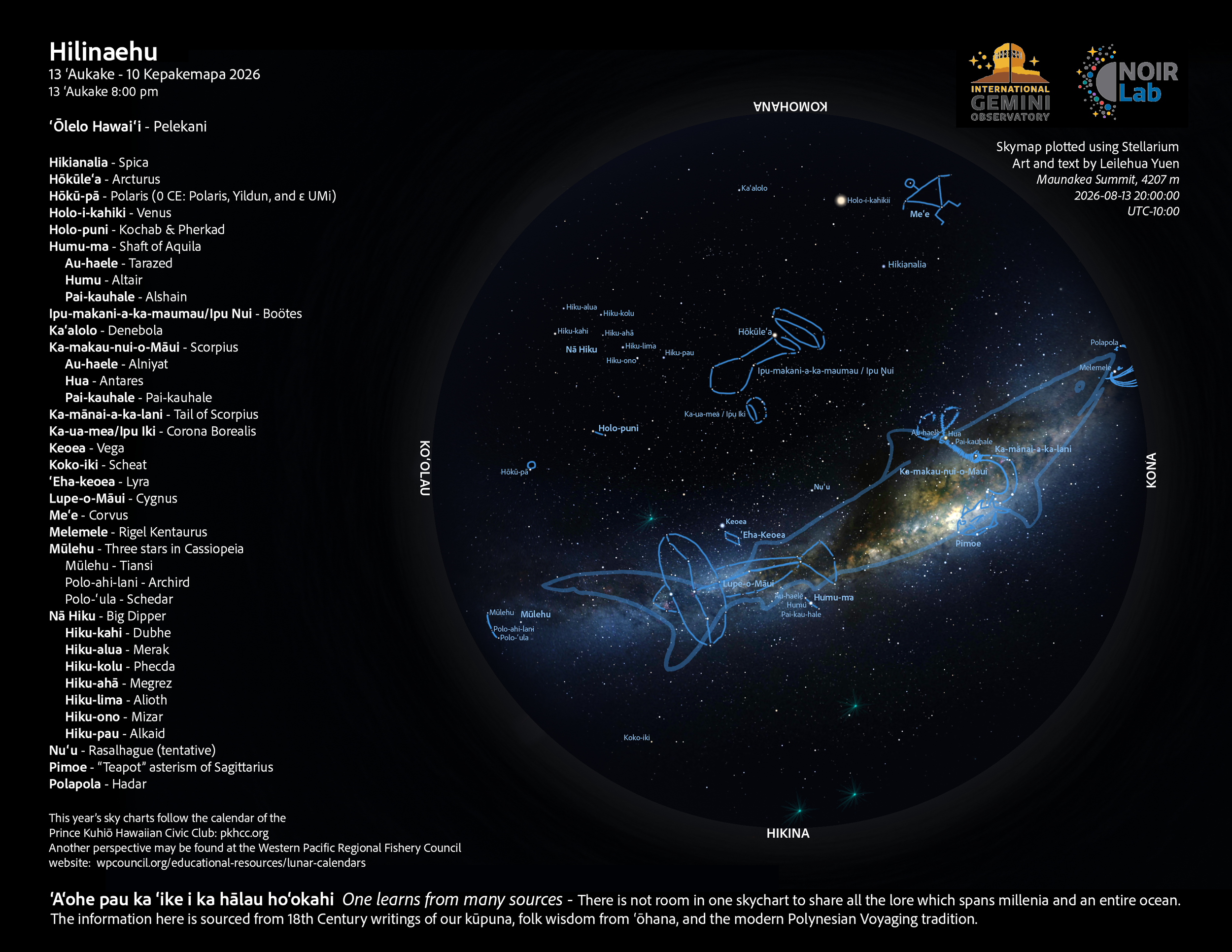
Hawaiian Skies: Hilinaʻehu 2026
The night sky is full of stories, lessons, and wisdom that have been passed down for generations. Leilehua Yuen takes us through these stories and more in her Hawaiian Skies series, guiding us through the moʻolelo of the constellations. For the Hawaiian month of Hilinaʻehu (August 13 - September 11), Leilehua guides us through constellations like Mūlehu, one of our oldest constellation names, and its moʻolelo, which shows that since ancient times caring for the disabled was a Hawaiian practice.
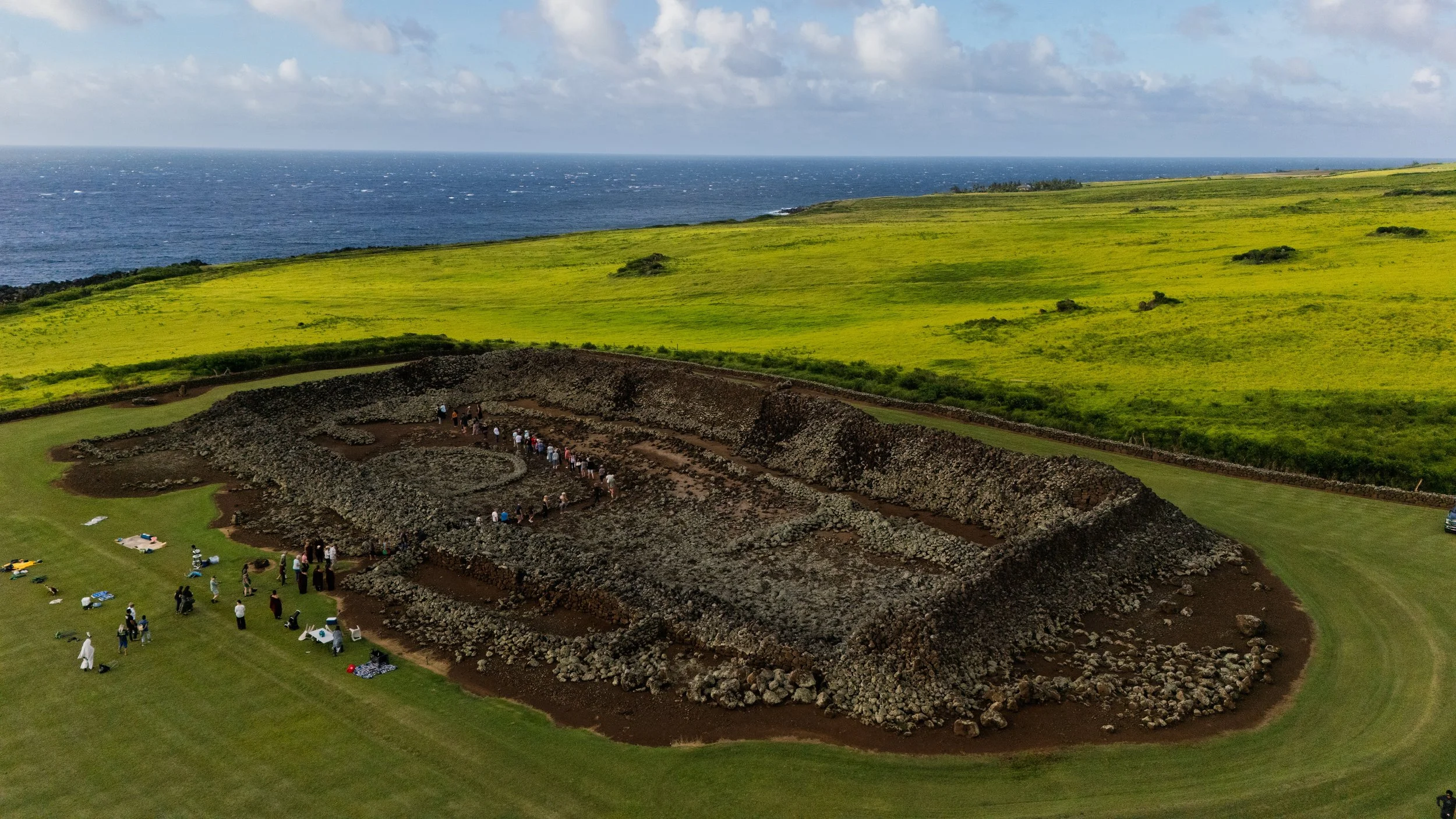
Under the Stars at Moʻokini Heiau
Families gathered beneath the stars to experience storytelling, guided stargazing, and telescope viewing at historic Moʻokini Heiau, with the invitation and blessing of Kahuna Nui Leimomi Lum. One of Hawaiʻi's oldest and most sacred heiau, Moʻokini remains a living spiritual place where generations have gathered in relationship with the land, the sky, and one another.
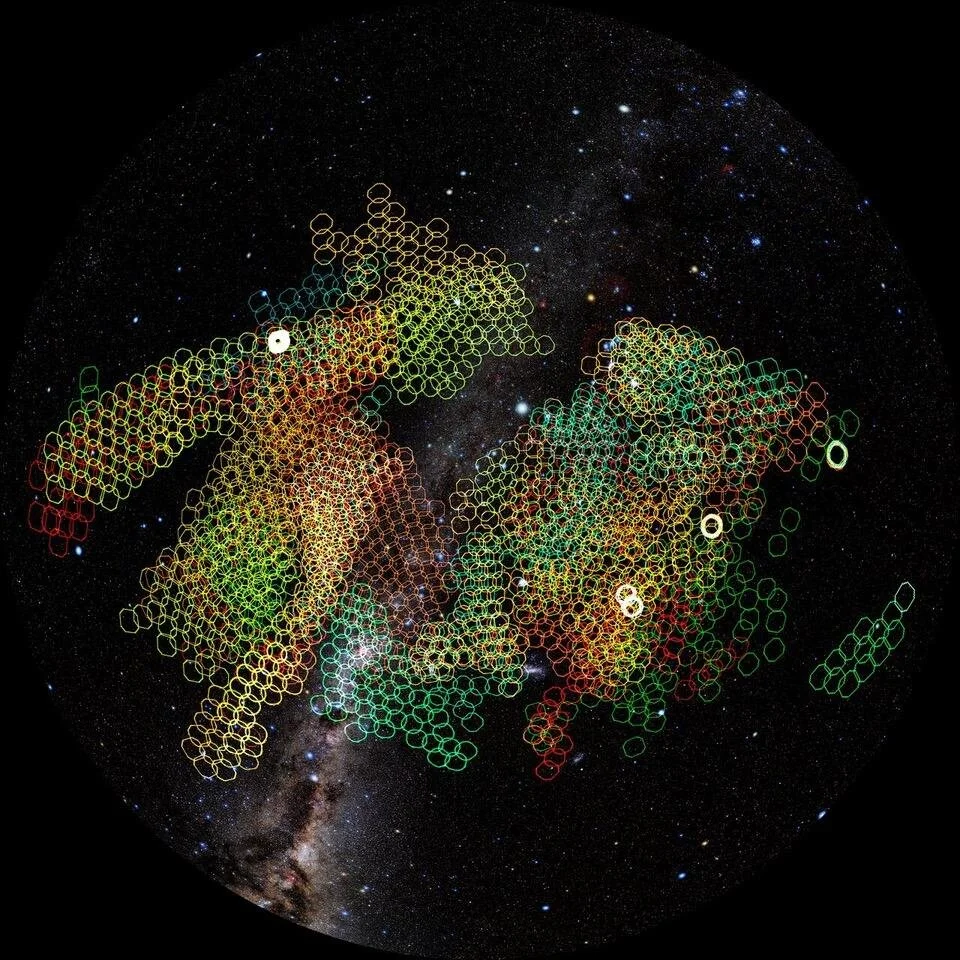
Eyes on the Sky: Subaru Telescope Supports Legacy Survey Of Space and Time
In June, NSF–DOE Vera C. Rubin Observatory officially began full operations for the 10-year Legacy Survey of Space and Time (LSST), one of the world's largest astronomical imaging surveys that takes hundreds of images of the Southern Hemisphere sky each night. Behind the scenes, Japanese researchers and engineers are supporting the project’s software, systems, and operations with technologies and expertise from the development and operation of the Subaru Telescope’s Hyper Suprime-Cam (HSC).
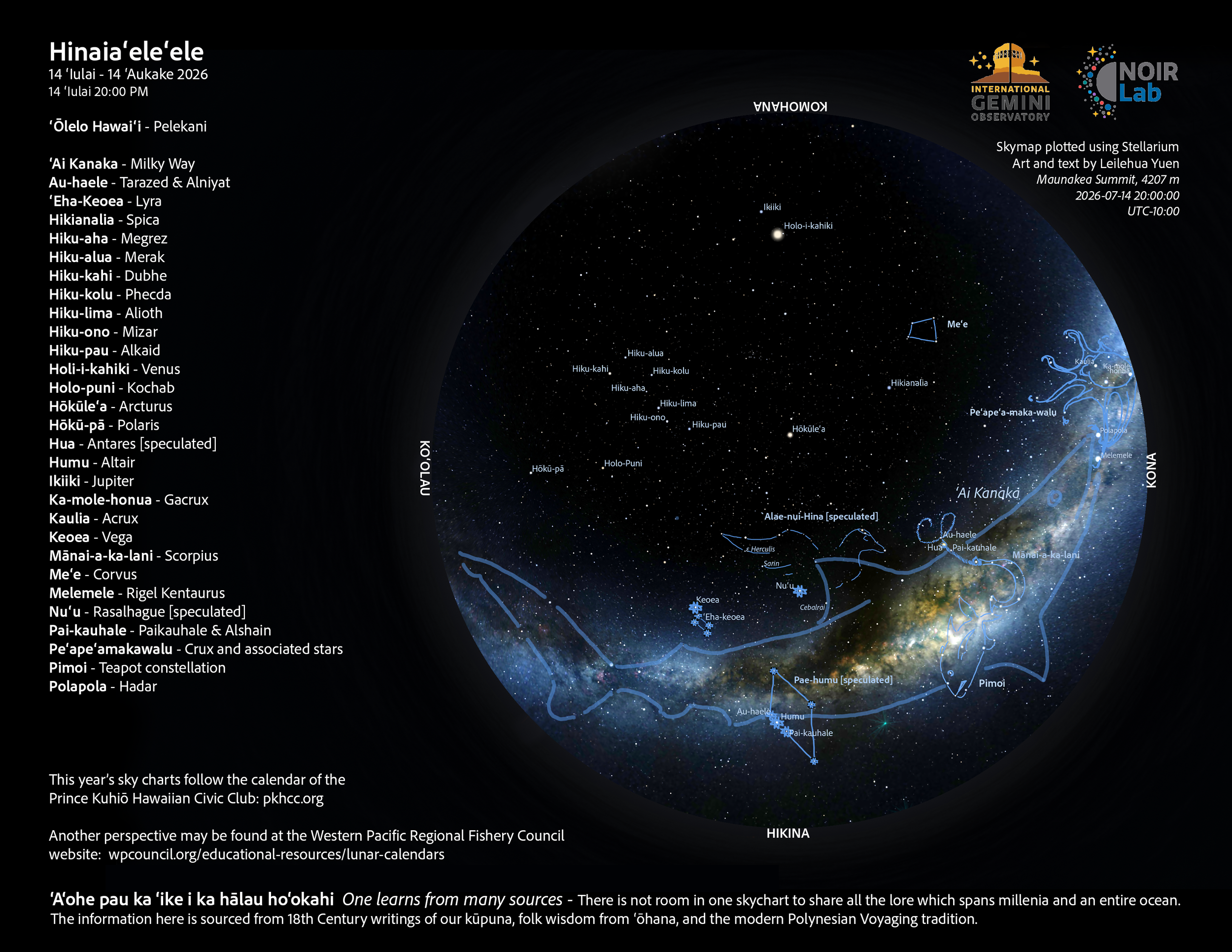
Hawaiian Skies: Hinaiaʻeleʻele 2026
The night sky is full of stories, lessons, and wisdom that have been passed down for generations. Leilehua Yuen takes us through these stories and more in her Hawaiian Skies series, guiding us through the moʻolelo of the constellations. For the Hawaiian month of Hinaiaʻeleʻele (July 14 - August 12), Leilehua takes us on a voyage through the great adventures of Māui enumerated in the Kumulipo, known as “The Strifes of Māui."
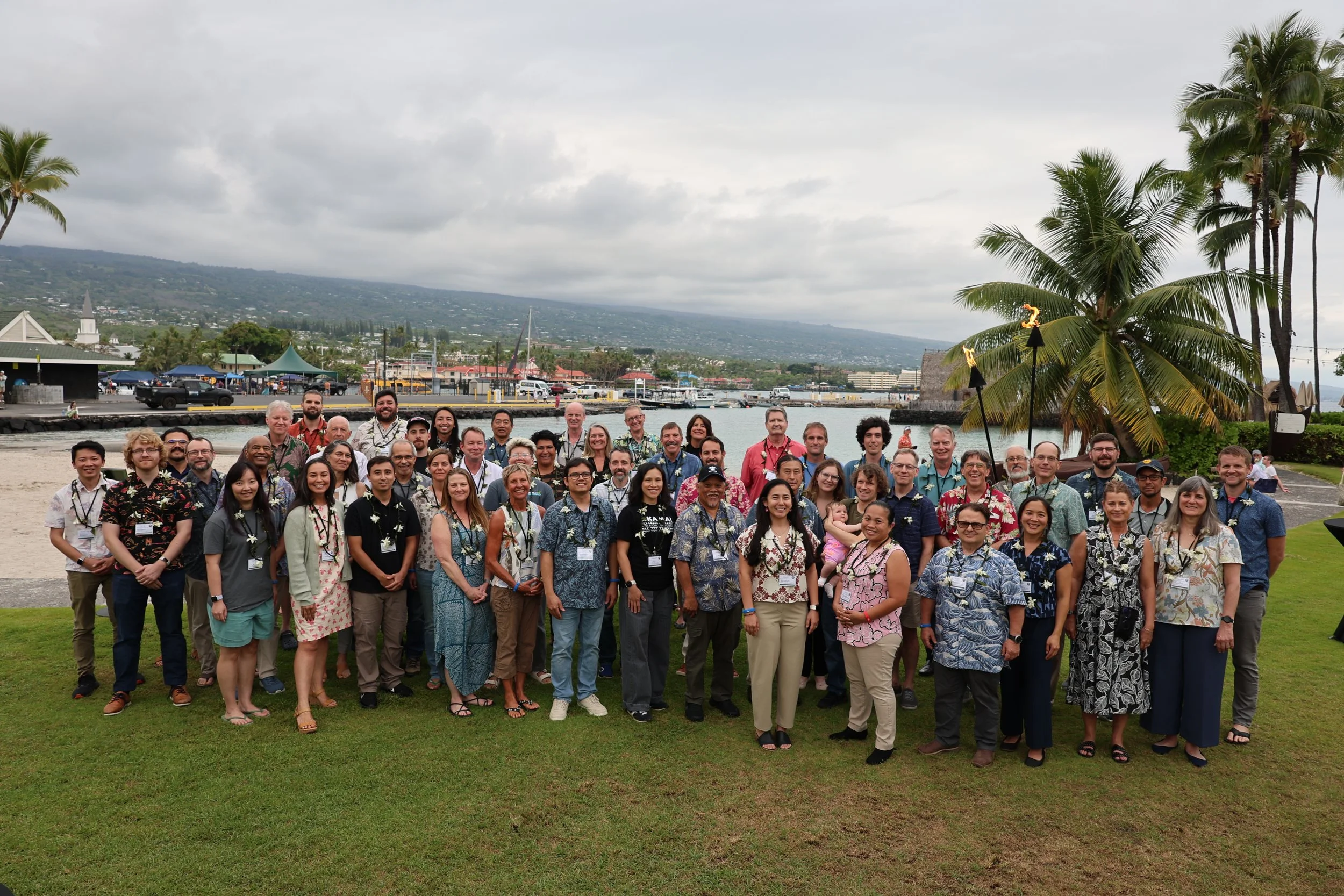
2026 Akamai Mentor Summit: Mentoring By Design
With 610 Akamai interns having completed more than 650 projects designed to support their diverse backgrounds and advance their STEM careers, the Akamai Workforce Initiative (Akamai) has been creating internship opportunities for local students in Hawaiʻi for 25 years. Now, hundreds are in STEM jobs in Hawaiʻi and beyond.
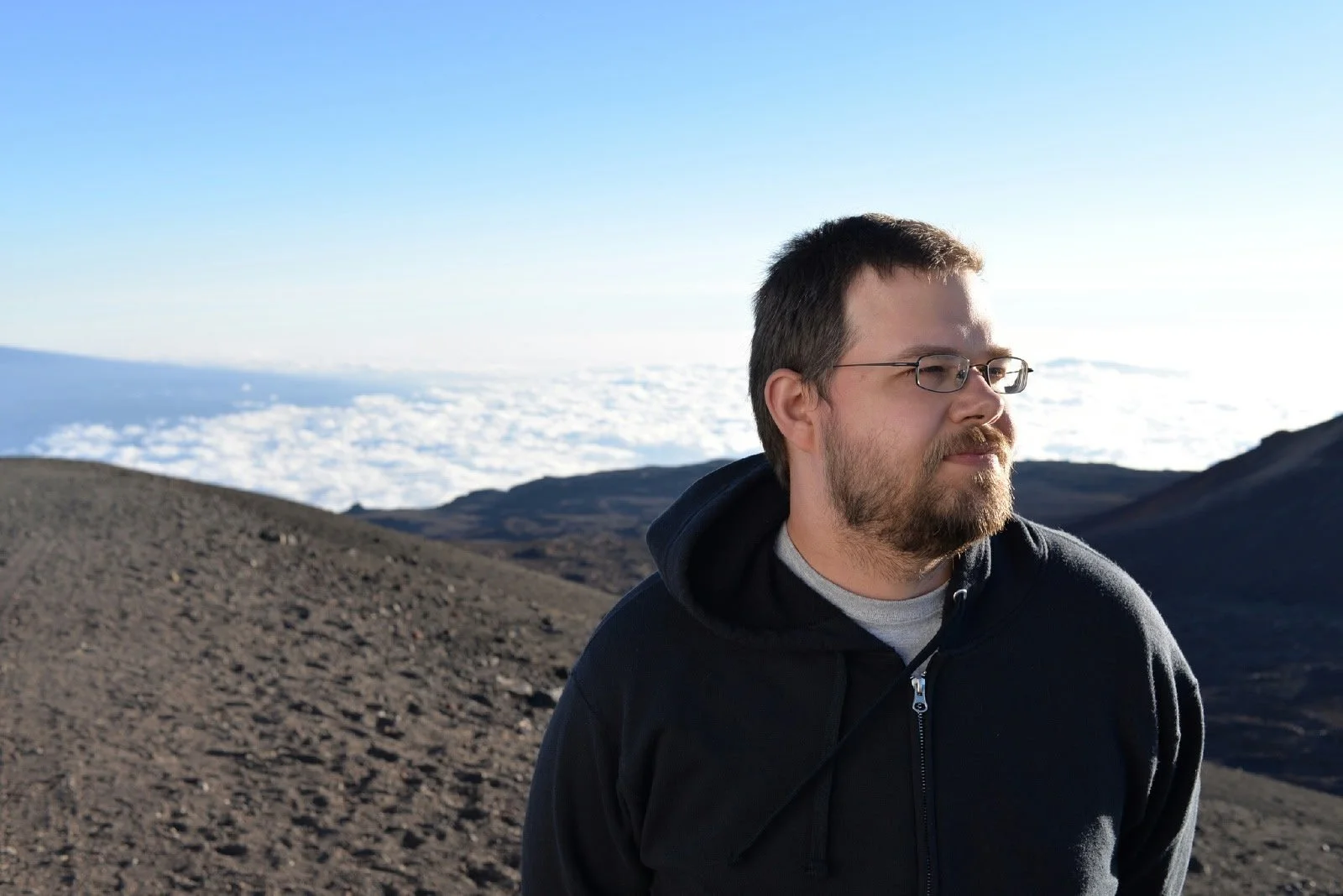
A Discovery Rooted in Community: How a Citizen Scientist's Discovery Brings Leilani to the Stars
When volunteer citizen scientist Todd Fisher discovered a new asteroid using data from the Subaru Telescope, he had the opportunity to propose a name. He chose Leilani, honoring a Hawaiʻi community that holds deep meaning for his family and preserving its memory in the night sky.
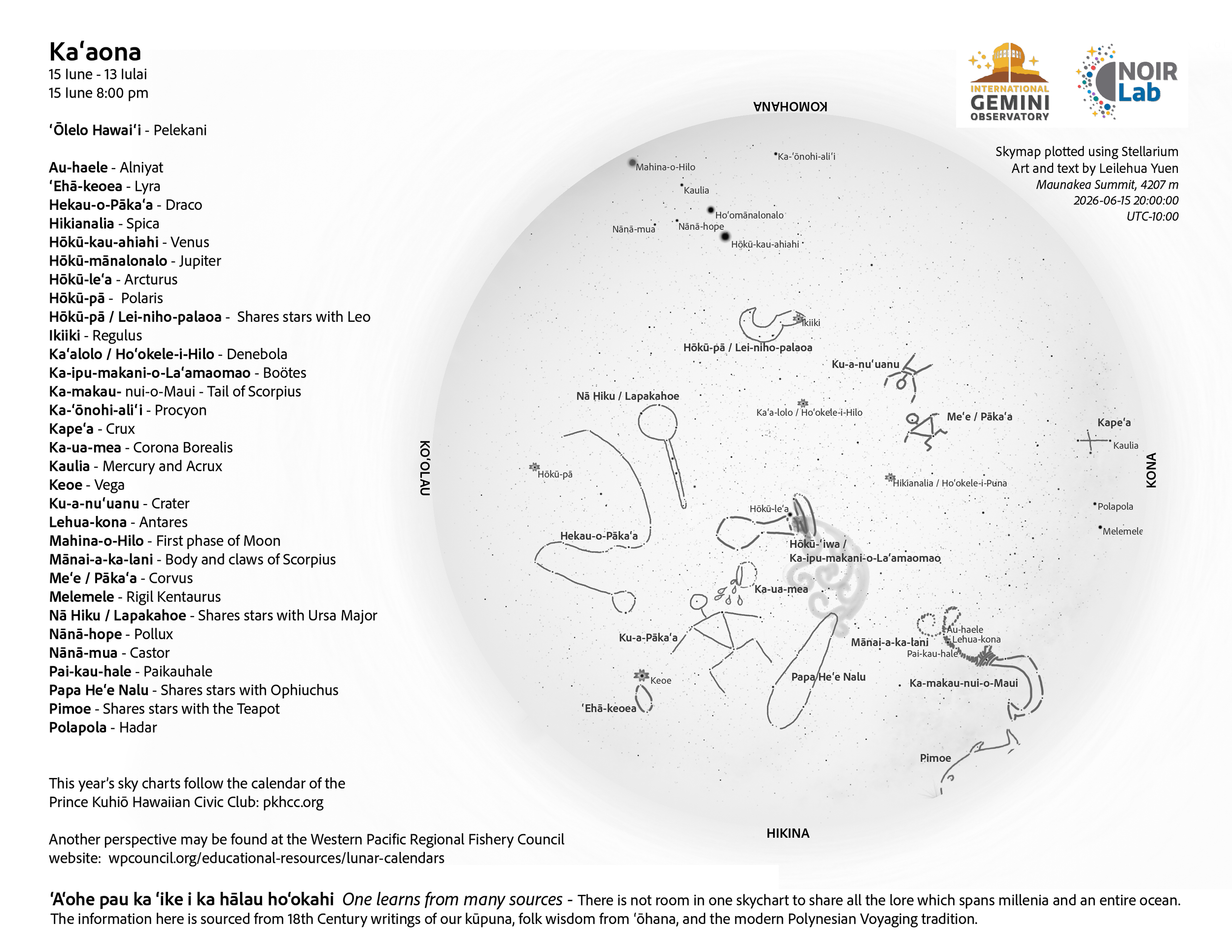
Hawaiian Skies: Kaʻaona 2026
The night sky is full of stories, lessons, and wisdom that have been passed down for generations. Leilehua Yuen takes us through these stories and more in her Hawaiian Skies series, guiding us through the moʻolelo of the constellations. For the Hawaiian month of Kaʻaona (June 15 - July 13), Leilehua is sharing a moʻohōkū (star story) centered around Boötes, a prominent shape in the Hawaiian sky throughout our hurricane season.
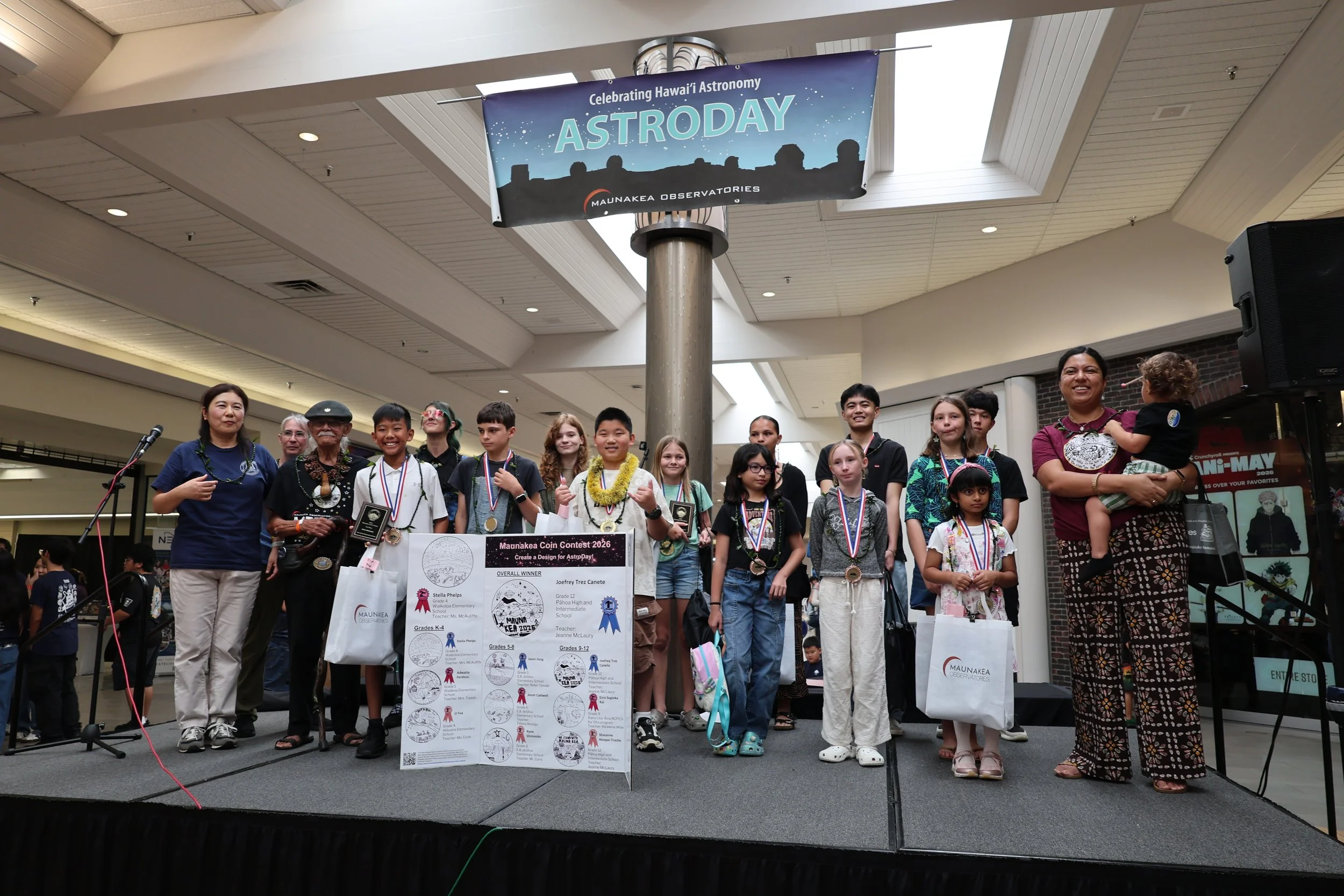
Stars of the Maunakea Coin Contest: Pāhoa High and Intermediate School
One small school in the quiet community of Pāhoa overwhelmingly shines in the Maunakea Coin Contest every year. What’s their secret?
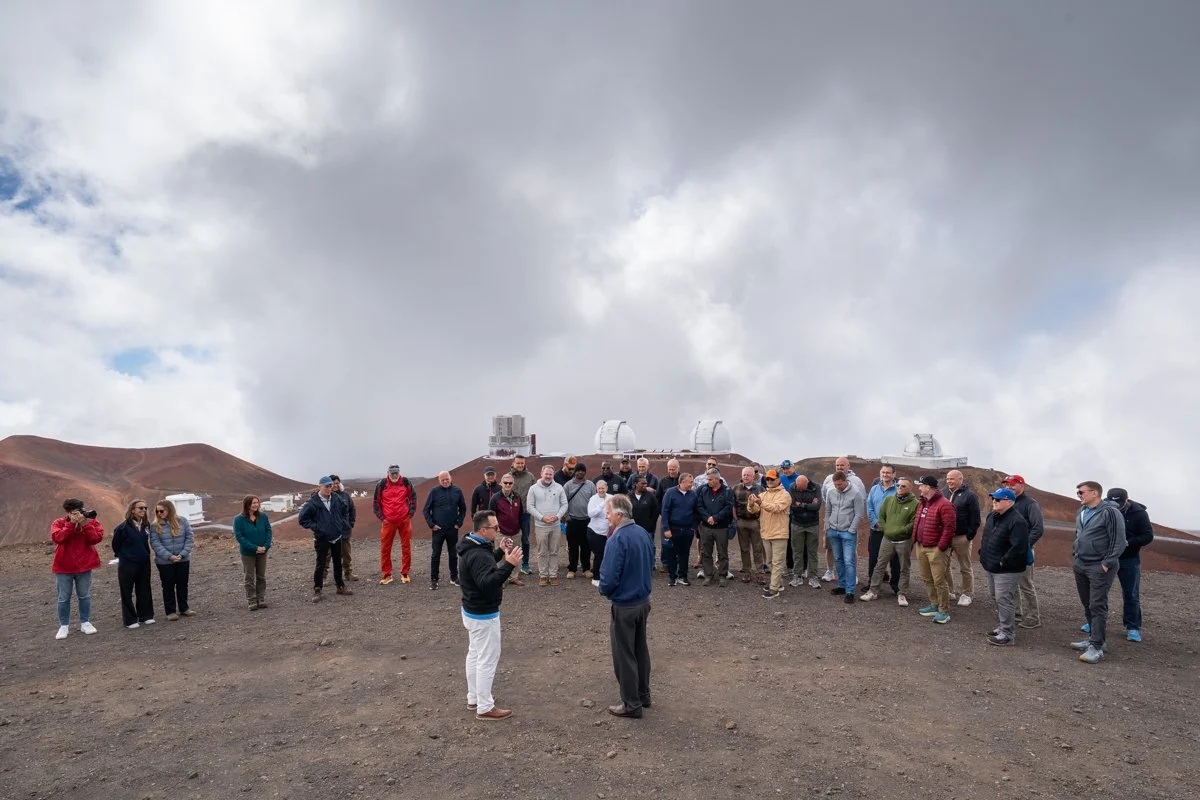
Diplomats Experience Maunakea Through Science and Culture
The University of Hawaiʻi welcomed about 50 international diplomats to Maunakea and the UH Hilo ʻImiloa Astronomy Center for a firsthand look at the university’s leading role in world-class astronomy, scientific discoveries and cultural stewardship that have helped make Hawaiʻi a global center for space research.
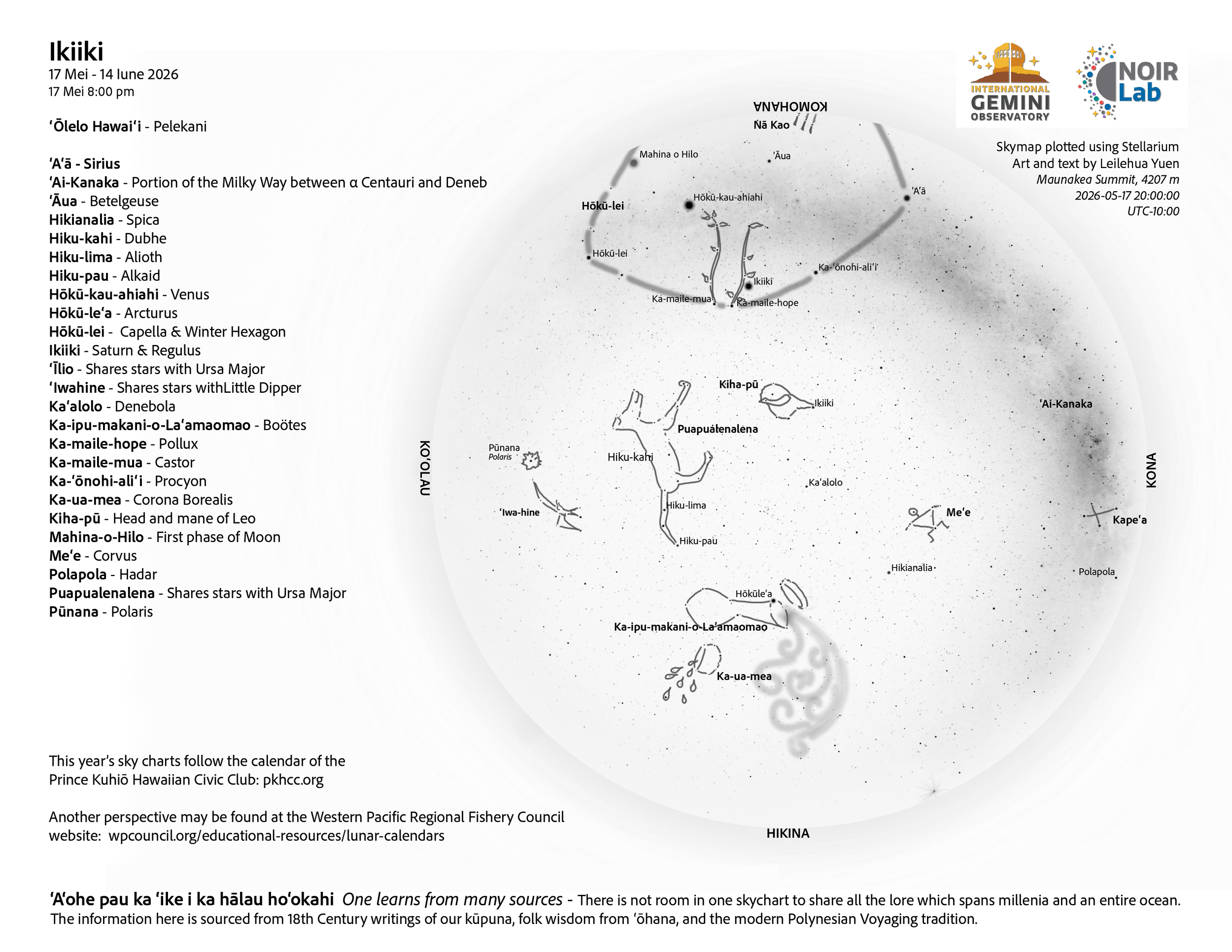
Hawaiian Skies: Ikiiki 2026
The night sky is full of stories, lessons, and wisdom that have been passed down for generations. Leilehua Yuen takes us through these stories and more in her Hawaiian Skies series, guiding us through the moʻolelo of the constellations. The Hawaiian month of Ikiiki (May 17 - June 14) lives up to its name with humid days, blanketing clouds, and sticky heat. Learn about the stories appearing in the sky this month, like Nā Kao – the Darts – and Puapualenalena and the Kiha-pū.
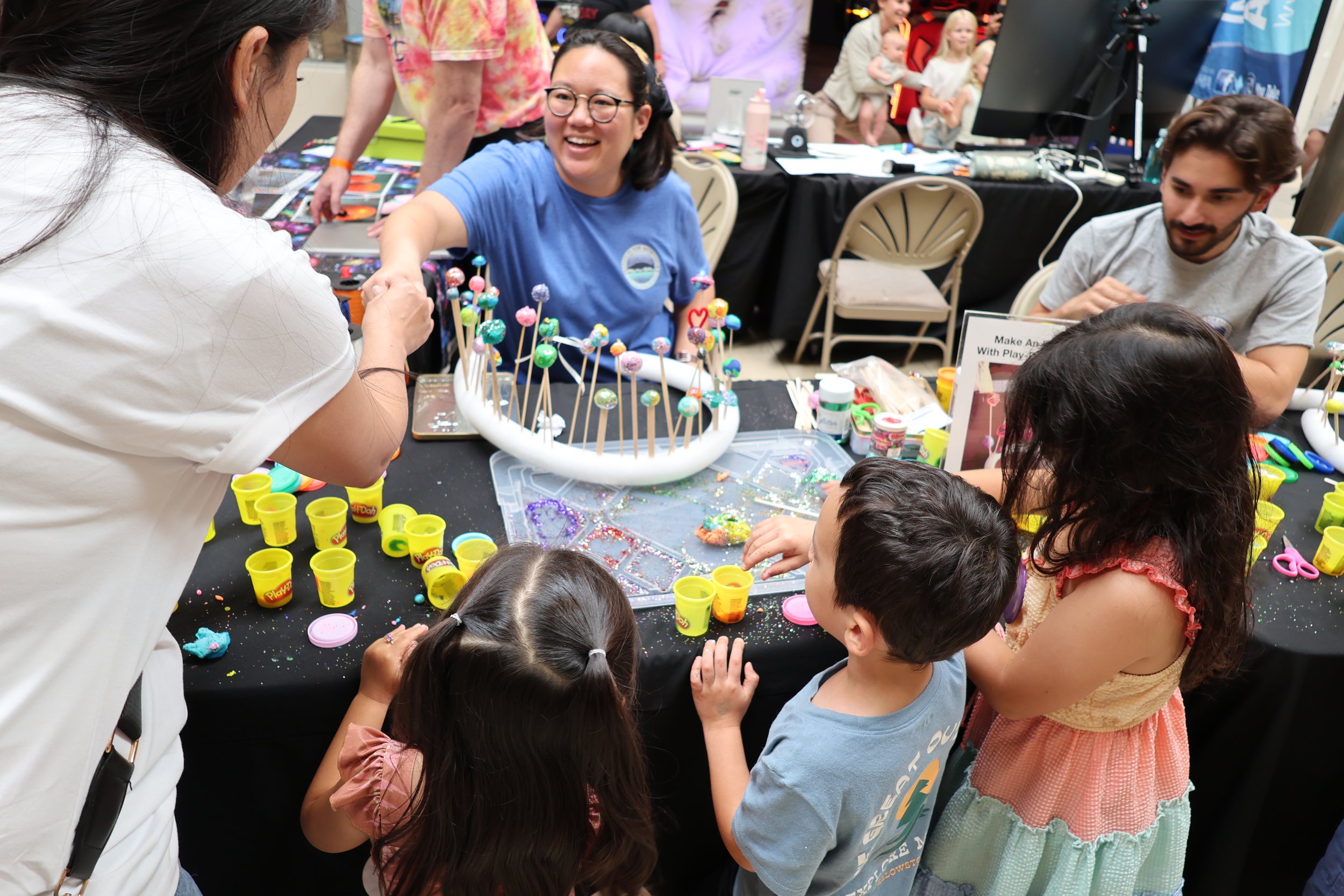
AstroDay East 2026 Brings World-Class Science to the Heart of Hilo
On Saturday, May 2, Prince Kūhīō Plaza in Hilo was transformed into a lively hub of science, discovery, and community as more than 30 organizations came together for the 24th annual AstroDay East. Hosted by Maunakea Observatories, the free, family-friendly event welcomed keiki and families for a full day of hands-on learning, live demonstrations, and interactive fun.
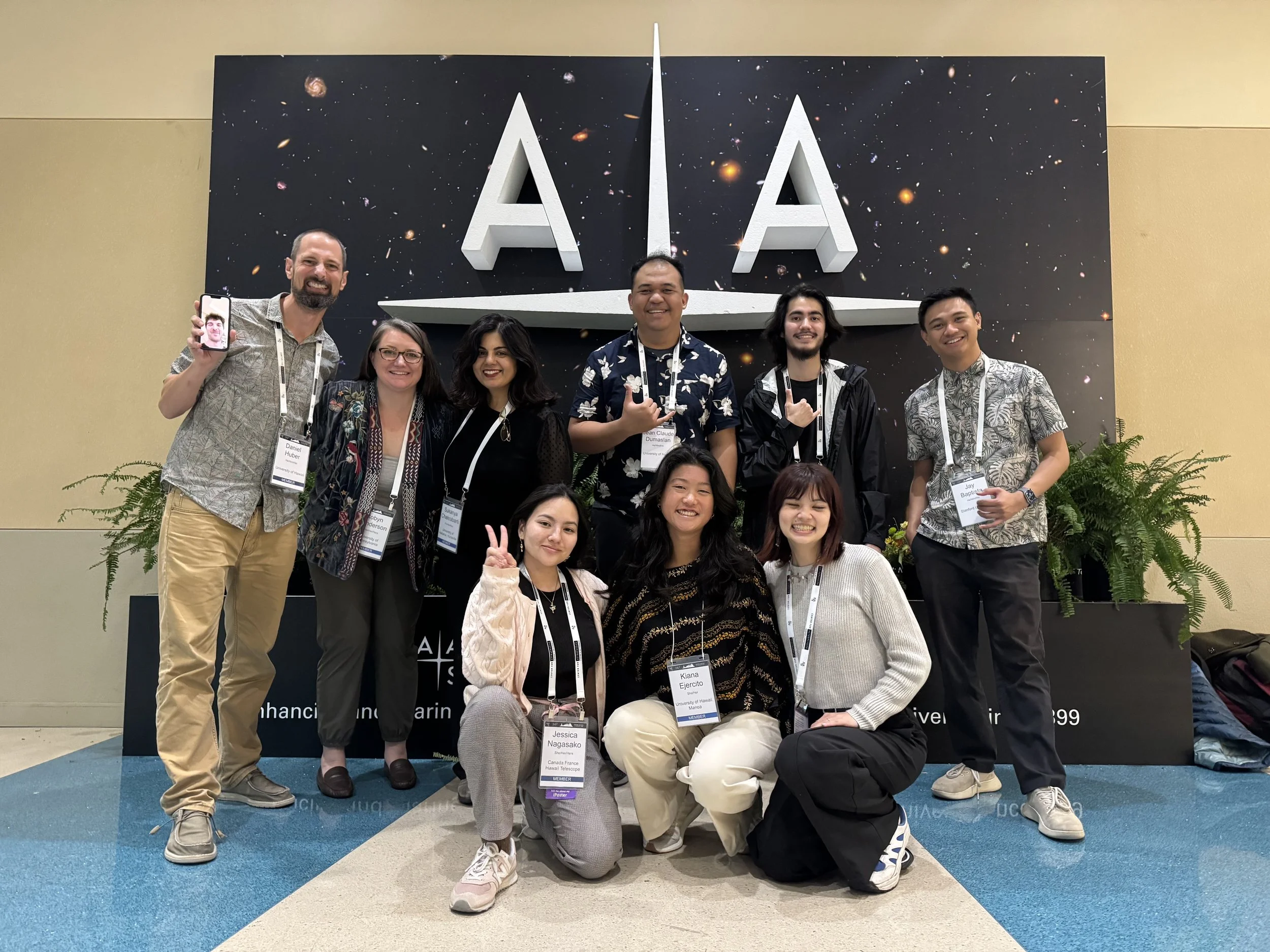
Maunakea Scholars Alumni Reconnect at AAS 247 Winter Meeting
Hawaiʻi astronomy students and Maunakea Scholars alumni reconnected while presenting their research at the American Astronomical Society (AAS) 247th winter meeting in Phoenix, Arizona, this January.
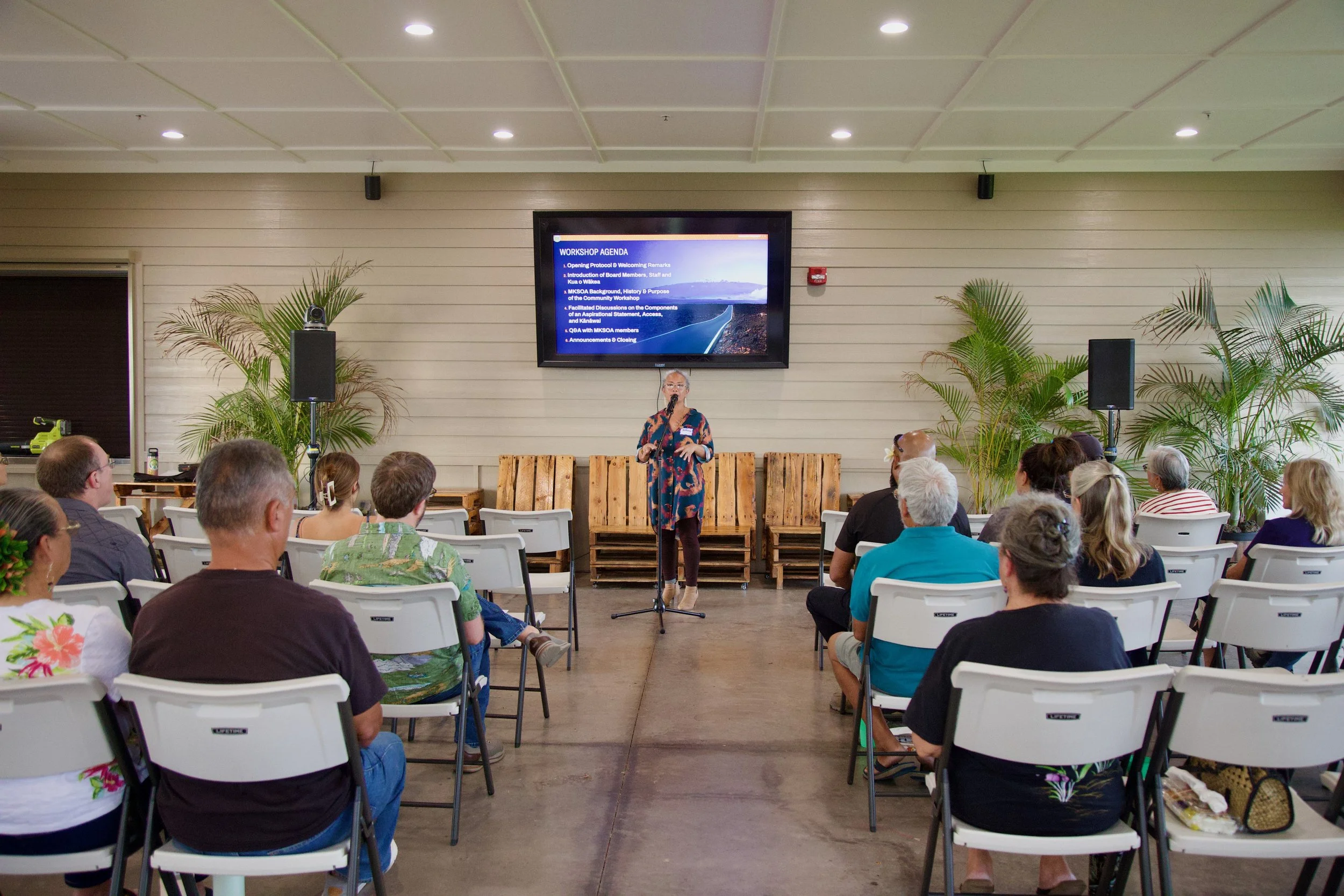
Listening Across the Pae ʻĀina: 2026 MKSOA Community Workshops
In early 2026, the Mauna Kea Stewardship and Oversight Authority (MKSOA) hosted ten community engagement workshops across the state as a key part of the Authority’s active planning process, gathering input directly from community members to inform the development of a new Maunakea management plan.
These workshops created spaces to listen, connect, talk story, and reflect on the future stewardship of Maunakea with a focus on access and aspiration.
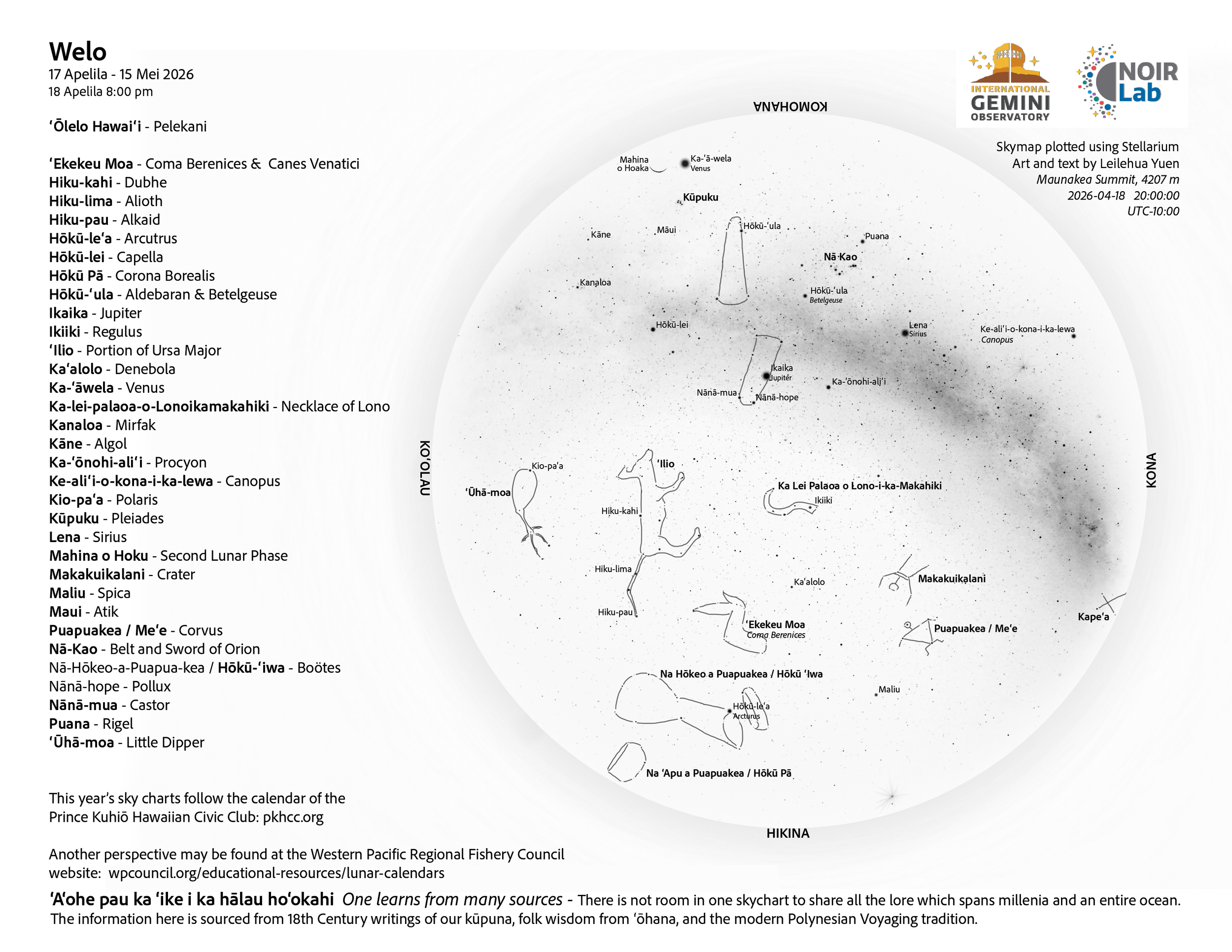
Hawaiian Skies: Welo 2026
The night sky is full of stories, lessons, and wisdom that have been passed down for generations. Leilehua Yuen takes us through these stories and more in her Hawaiian Skies series, guiding us through the moʻolelo of the constellations. During the Hawaiian Month of Welo (April 18 - May 16), explore family traits and relationships of huihui and ulu hōkū through the moʻolelo or moʻo hōkū, storylines, which connect them.
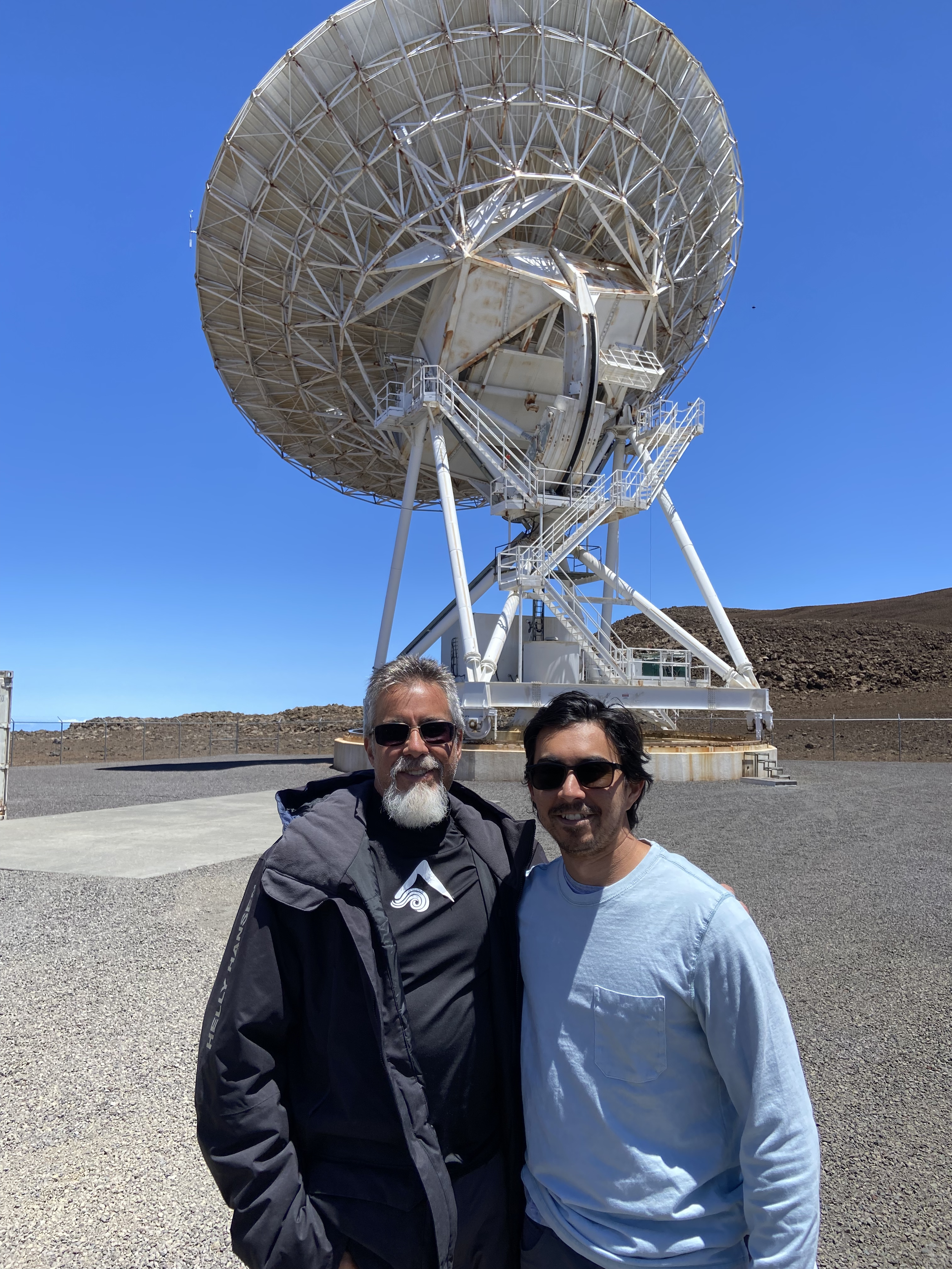
The Sylvester Family: Three Generations of Astronomy
Tony Sylvester and his son, Anthony, stand in the Gemini base facility control room watching a familiar sight unfold: images of a windswept Maunakea summit viewed from multiple angles. They are the second and third generations of the Sylvester family to work in astronomy on Maunakea and, between the two of them, have a combined 36 years working on the mauna.
UH Hilo, Canada-France-Hawaiʻi Telescope, and Université Laval Collaborate to Simulate Galaxy Collision
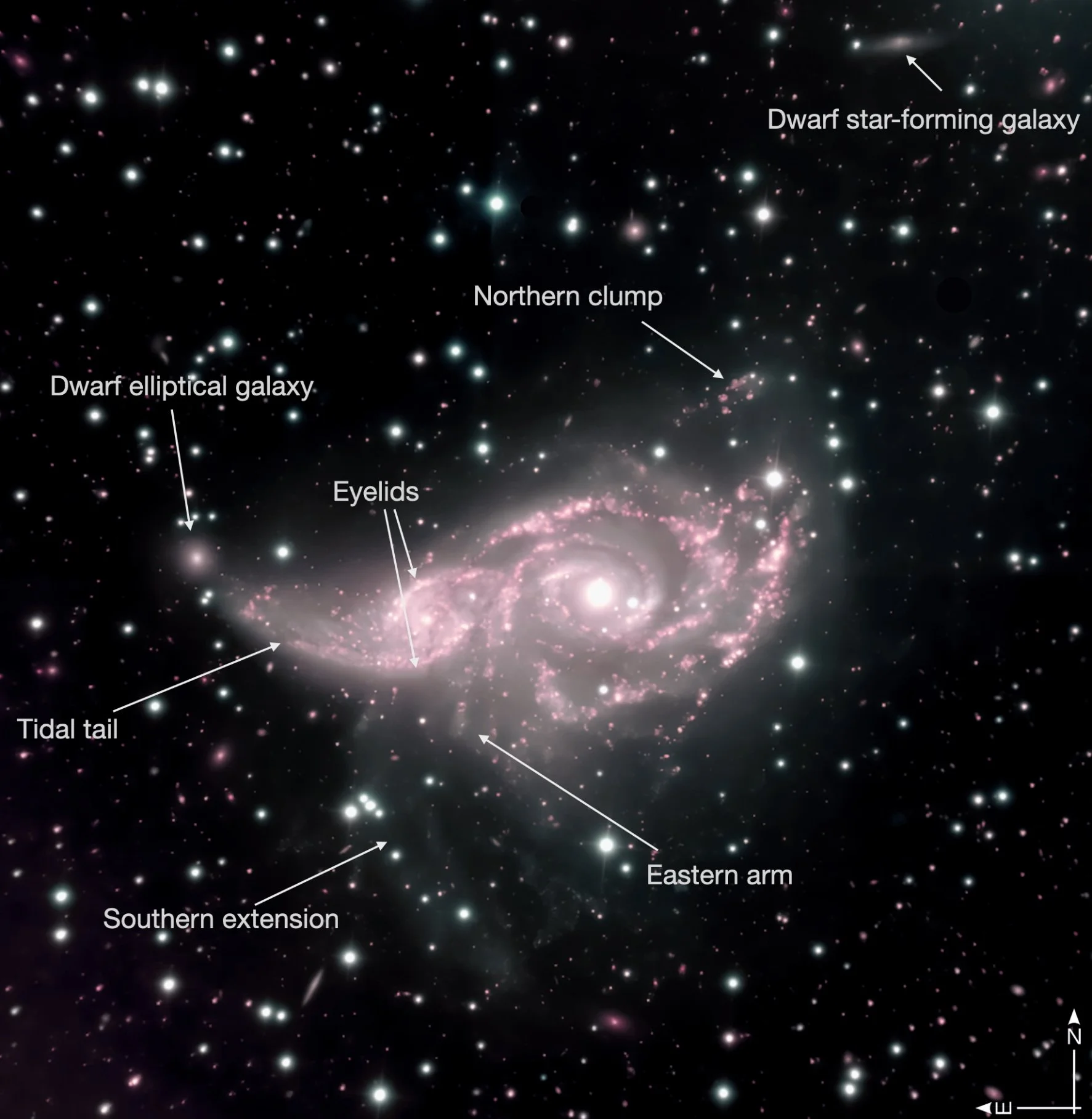
A new study co-authored by Camille Poitras, Dr. R. Pierre Martin of the University of Hawaiʻi at Hilo, and colleagues at Université Laval (Québec, Canada) simulates the past, present, and future of a collision between two spiral galaxies, using Canada-France-Hawaiʻi Telescope data. Discoveries like these speak to the importance of undergraduate research experience and international collaboration.