
Maunakea Observatories Join in the Fun at AstroDay West 2025
Families and keiki got a chance to explore the cosmos at this year’s AstroDay West at Kona Commons, a day filled with experiments, telescopes, and exciting ways to learn about science. Hosted by Maunakea Observatories, this event has become an annual tradition aimed at making astronomy accessible for everyone and inspiring the next generation of scientists in Hawaiʻi.
“We hope to spark curiosity in kids and get them excited about the wonders of science all around us,” said Carolyn Kaichi, the education and outreach specialist at the University of Hawaiʻi’s Institute for Astronomy (IfA) and primary organizer of AstroDay. Carolyn has been organizing AstroDay for 11 years and loves to see how the event brings together scientists and the community.
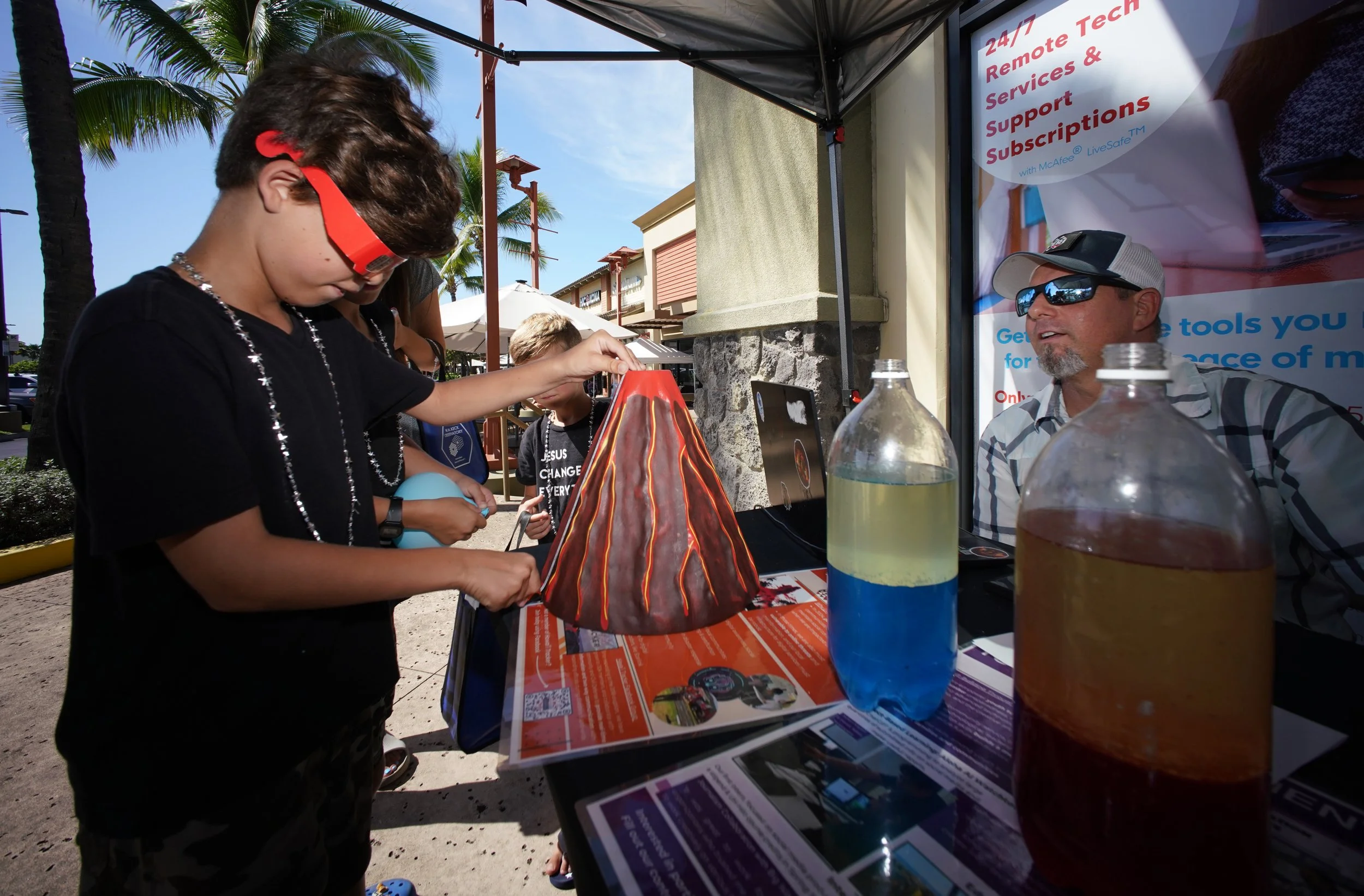
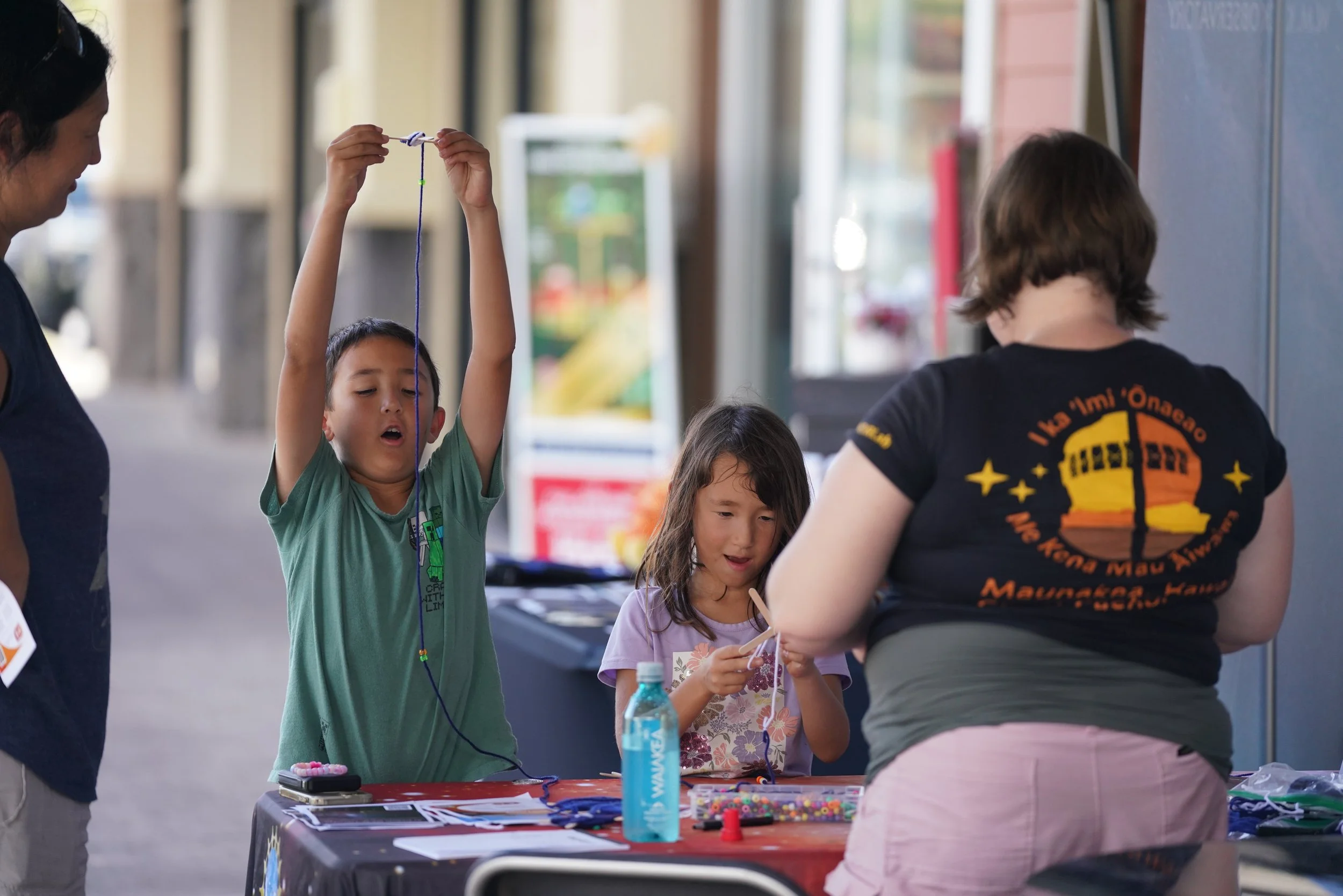
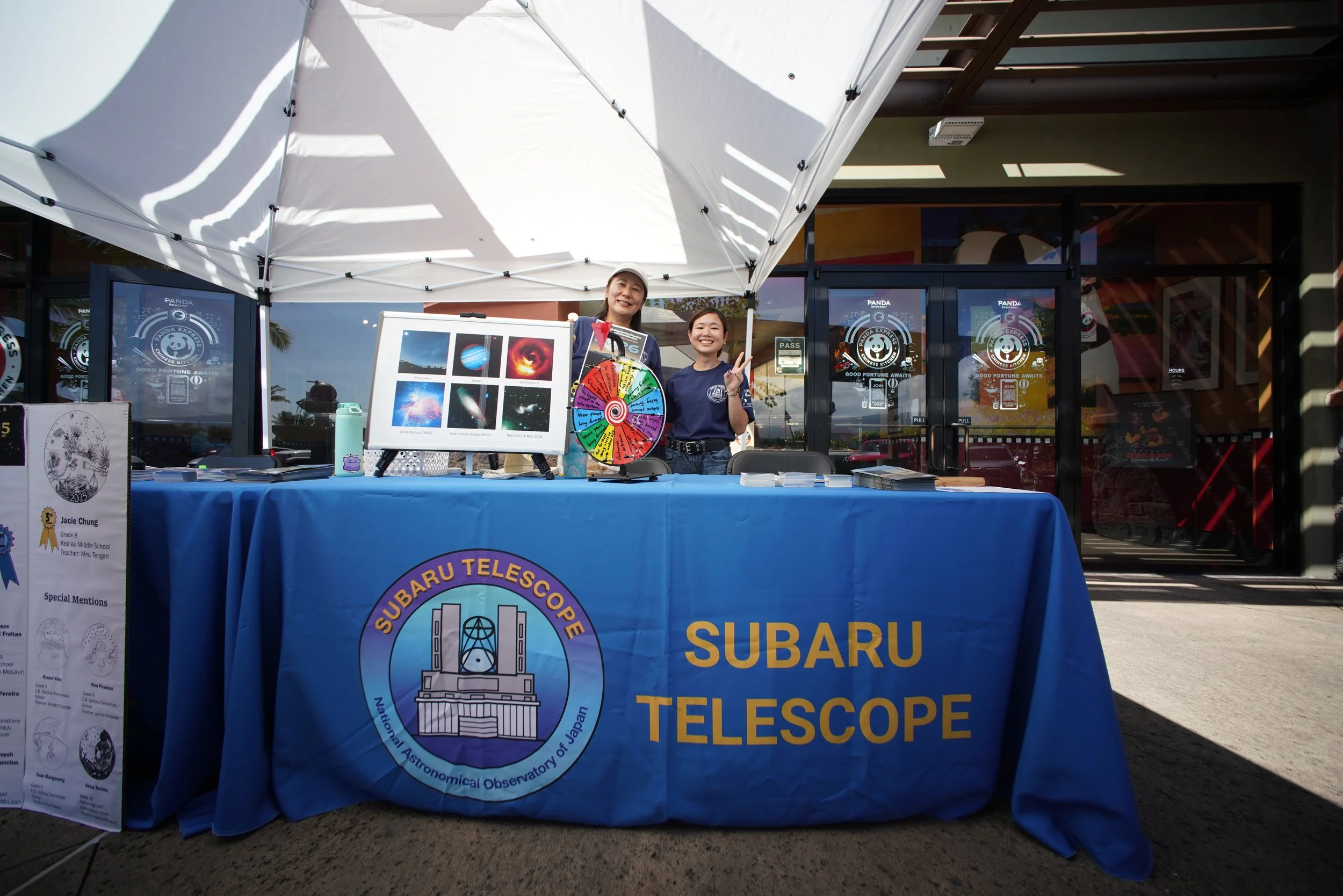
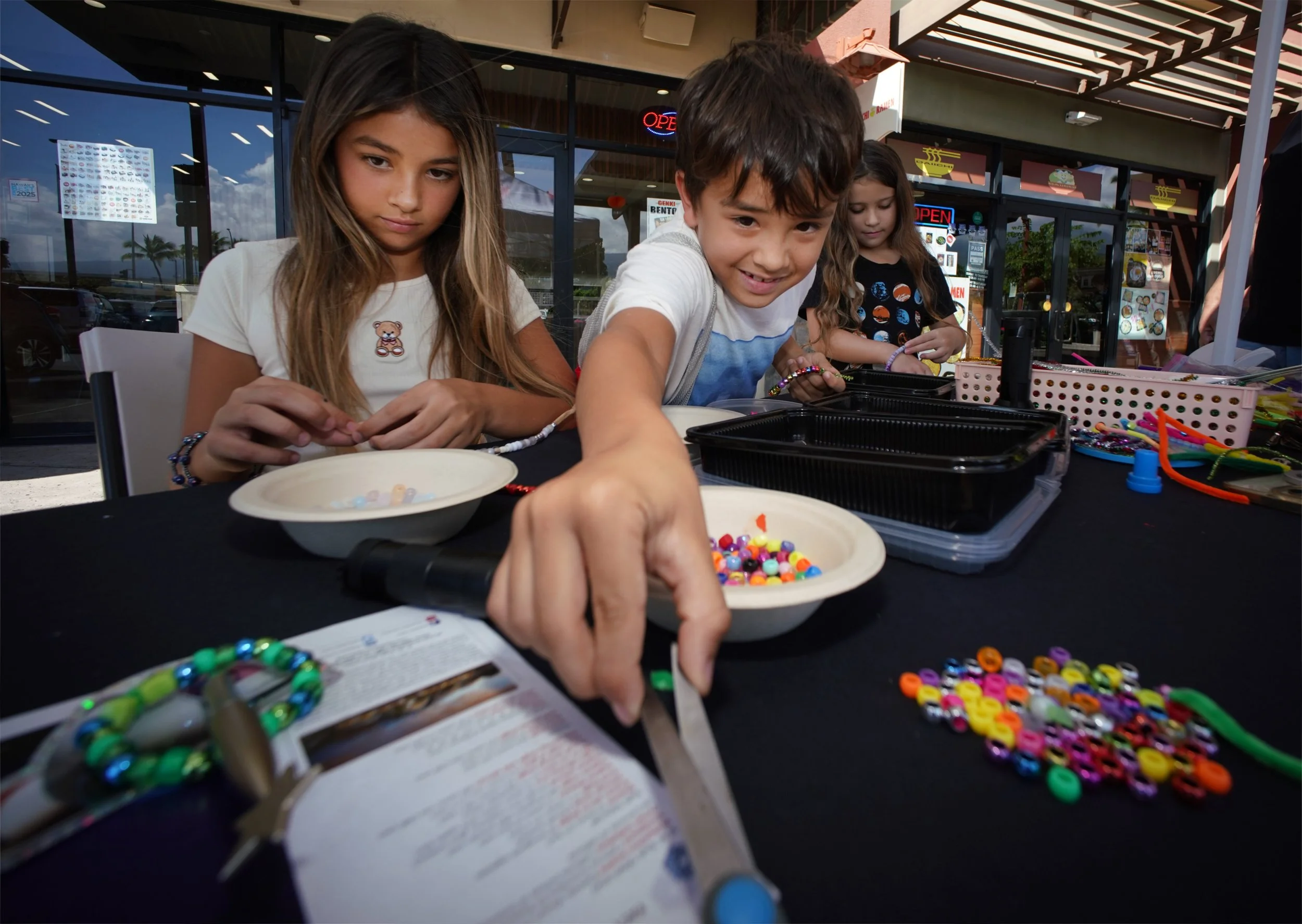
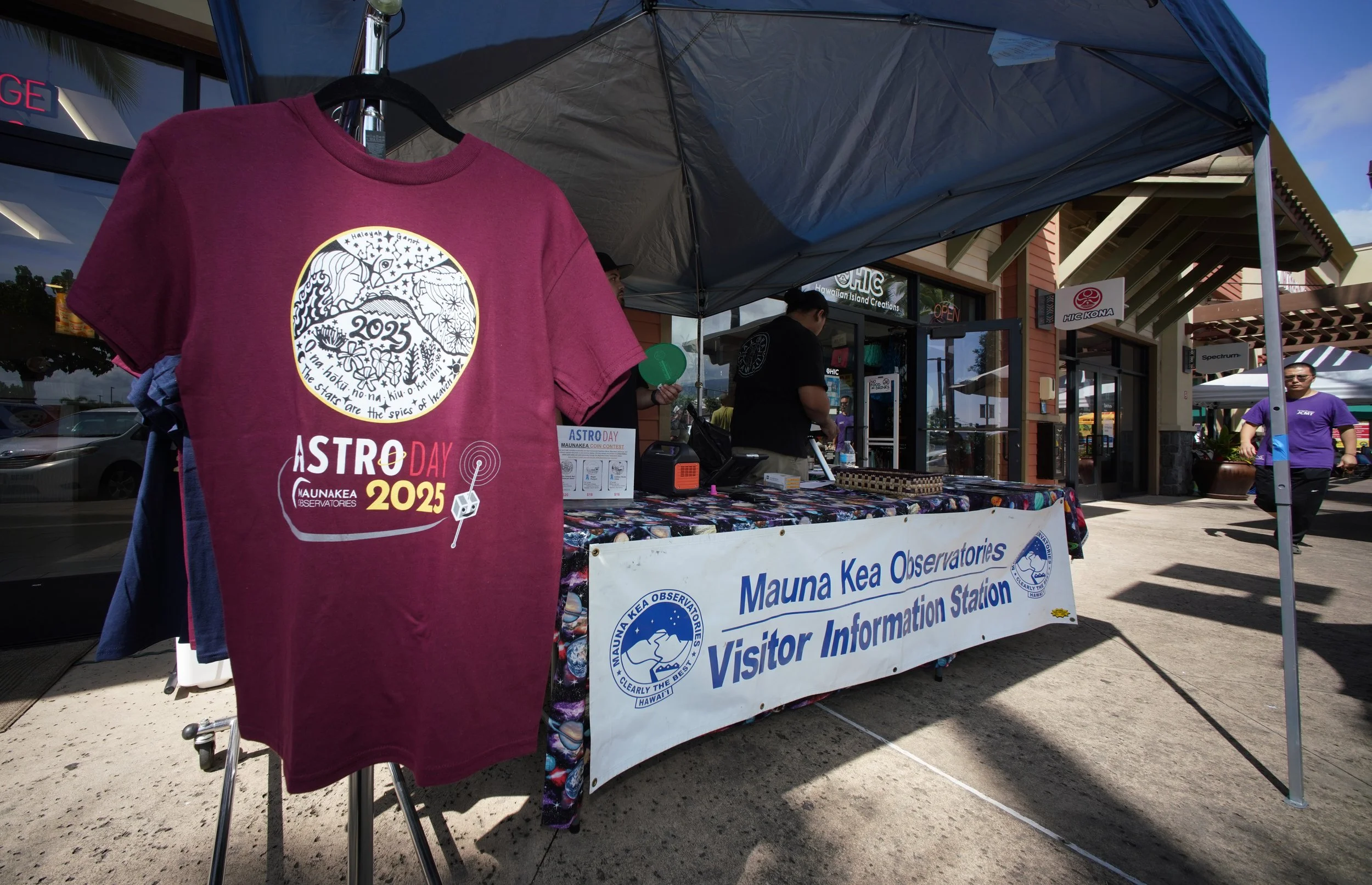
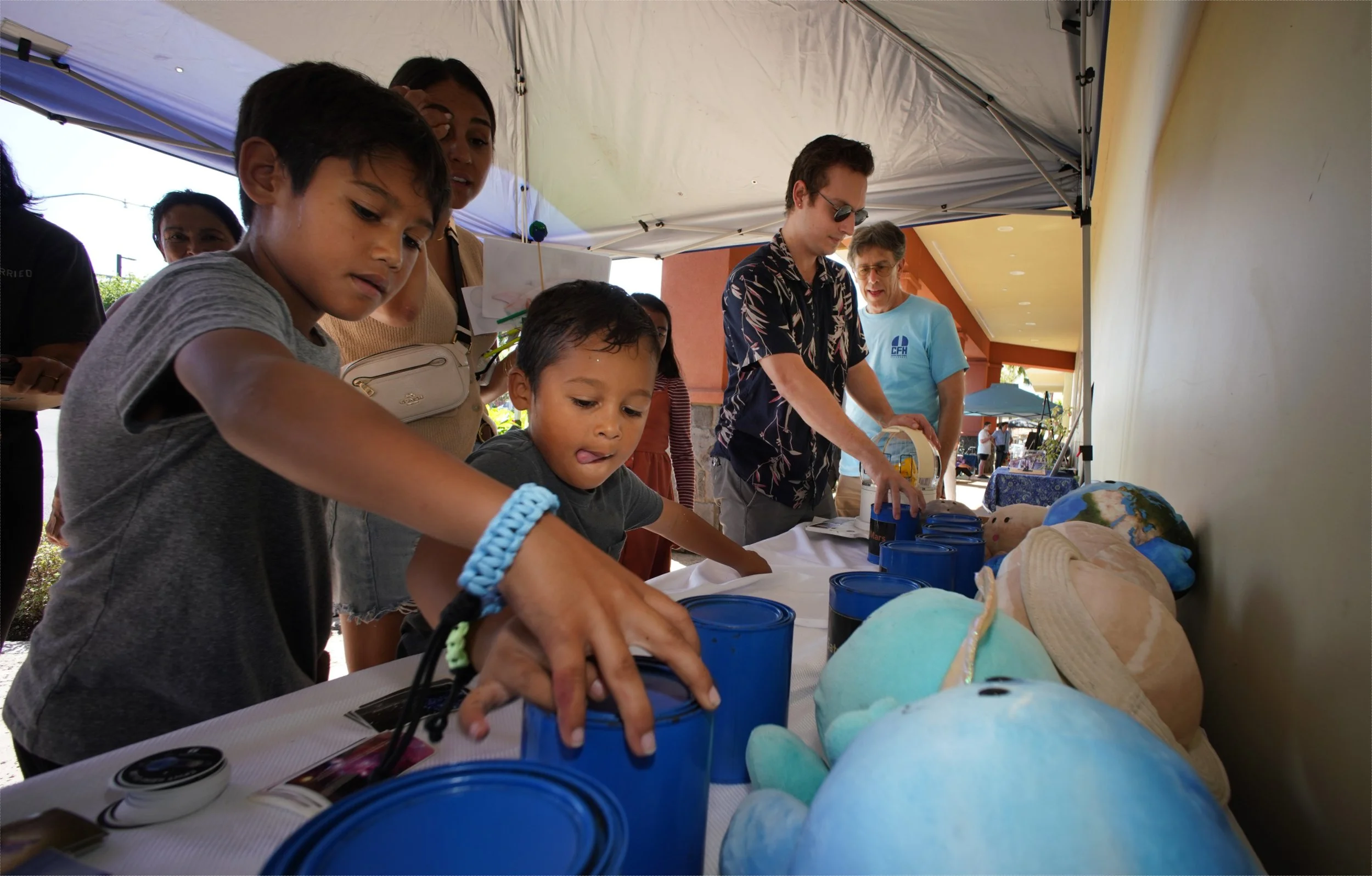
In addition to astronomy, visitors had a chance to learn about volcanic eruptions, participate in trivia and contests, and explore the constellations visible in our current night sky. Alongside IfA, other Maunakea Observatories set up demos, including W.M. Keck Observatory, East Asian Observatory, Subaru Telescope, Canada-France-Hawaiʻi Telescope, Gemini Observatory, and the Maunakea Visitor Information Station. Caleb Smith, a fifth grader from Waimea School, especially enjoyed an exoplanet activity run by NOIRLab. “We put two sticks in an X and then used white string and wrapped it around the sticks for the star, then did the same with our blue string to show the space. Then we added beads on it for the planets that orbited the star. We learned about how planets orbit stars and got to bring our exoplanet systems home — it was so cool!”
Visitors also got to learn about science programs outside of the MKOs, such as the Onizuka Space Science Program, the Hawaiian Volcano Education & Resilience Institute (HVERI), and NASA Solar System Ambassadors.
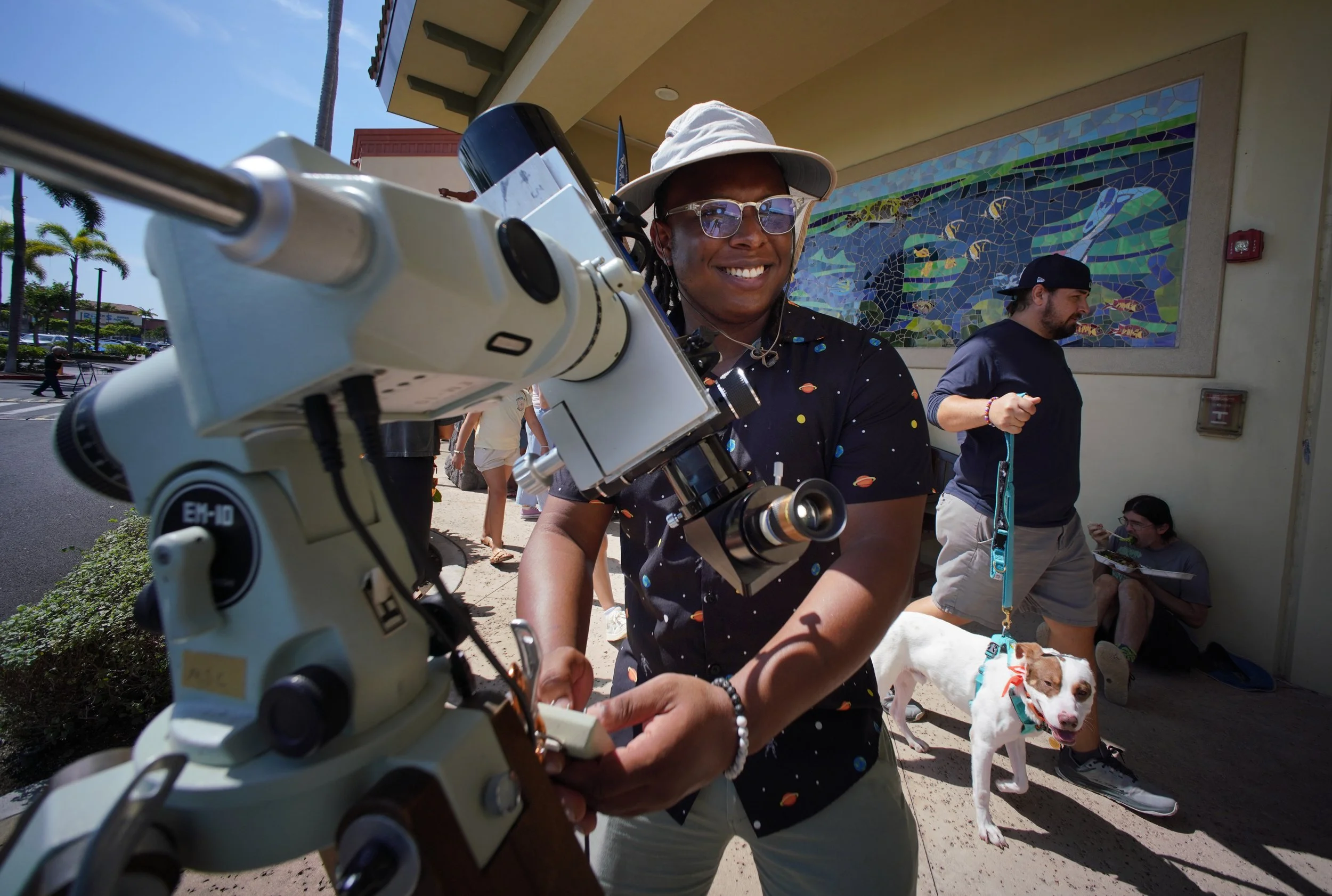
One of the biggest attractions of the day was a solar telescope. Guided by astronomers from IfA, visitors were able to view details on the sun’s surface. “It’s great to be able to bring telescopes out for folks to experience science in real-time,” Carolyn said. “Sharing the tools scientists use can help to demonstrate the technology behind astronomical discoveries.”
The event also highlighted upcoming opportunities, like the TeachAstro astronomy workshop for Hawaiʻi STEM teachers and STEM college programs, like the University of Hawaiʻi Mānoa College of Engineering and the STEM Center at Hawaiʻi Community College. To learn more, check out the University of Hawaiʻi article about the event.
Maunakea Observatories runs AstroDay events twice yearly on the Big Island, one in Kona and one in Hilo. Stay tuned for the next AstroDay event at the Prince Kuhio Plaza in Hilo on May 2, 2026.
