
2026 Akamai Mentor Summit: Mentoring By Design
Creating Opportunities for Local Students and Building Hawaiʻi’s STEM Workforce
With 610 Akamai interns having completed more than 650 projects designed to support their diverse backgrounds and advance their STEM careers, the Akamai Workforce Initiative (Akamai) has been helping create internship opportunities for local students in Hawaiʻi for 25 years. Now, hundreds are in STEM jobs in Hawaiʻi and beyond. What makes Akamai effective is that each intern has a dedicated support system that we rarely see: mentors committed to uplifting the next generation of STEM professionals.
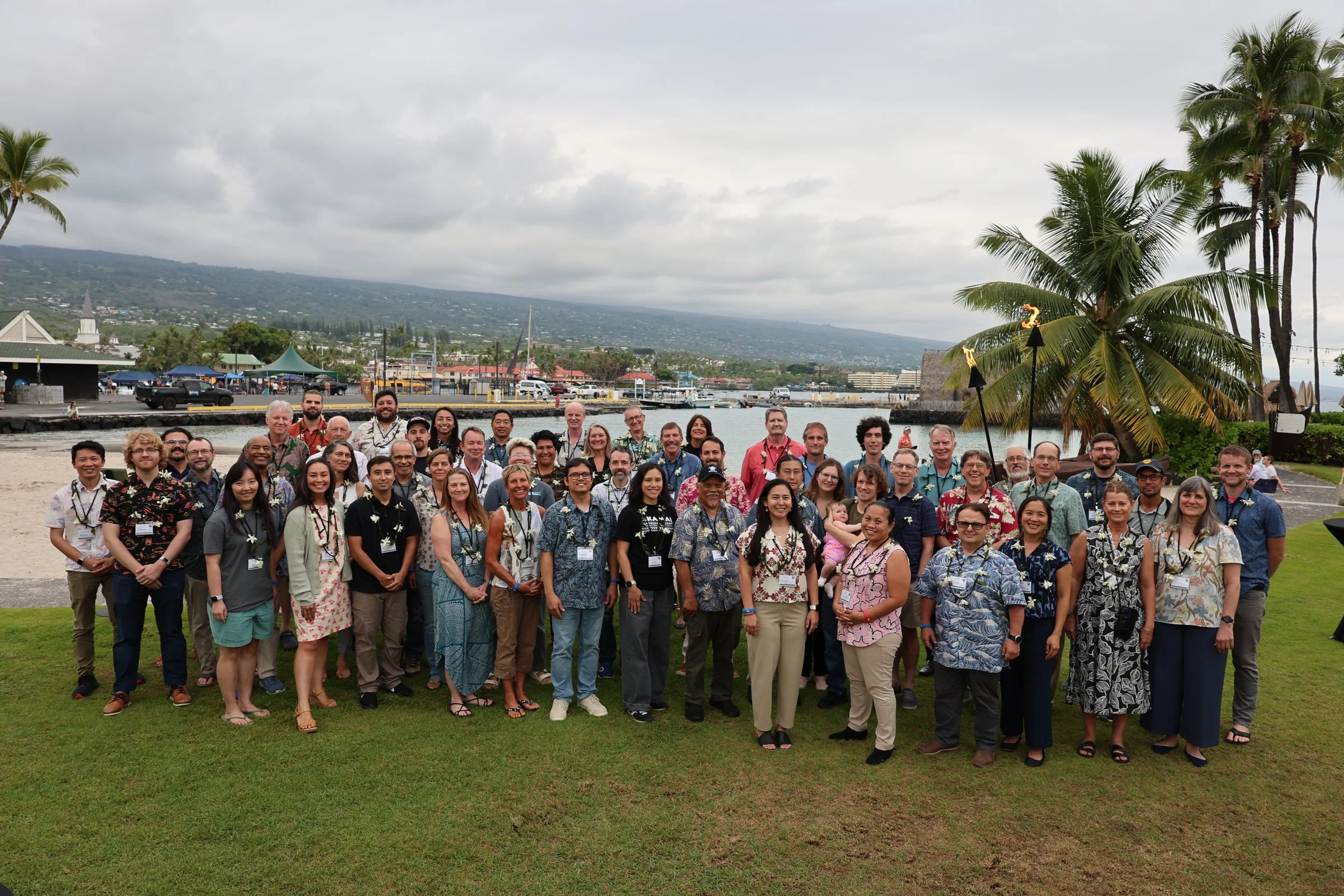
The Akamai Workforce Initiative is led by the Institute for Scientist & Engineer Educators (ISEE) at the University of California Observatories (UCO), a managing partner of W.M. Keck Observatory. The foundation of the initiative's success is ISEE’s approach to mentorship, which received a Presidential Award for Excellence in Science, Mathematics, and Engineering Mentoring (PAESMEM) in 2018.
For Akamai, creating a successful internship starts with the mentors far before an intern applies. Mentors work with Akamai’s program professionals to develop projects that build real-world job skills for interns while also providing value to partner organizations. This requires mentors to step into the often unfamiliar role of a teacher while intentionally infusing value into each stage of a project, from conception to execution to completion.
Most Akamai mentors are working professionals from observatories and other STEM employers. This allows Akamai to offer a range of projects for different interest areas, but it can also present a challenge.“In my experience, internship programs are often led by education professionals or faculty whose job it is to teach, but teaching isn’t the norm for most Akamai mentors,” explained Cathy Mader, program officer at the Gordon and Betty Moore Foundation, a longtime, major funder of the Akamai Workforce Initiative.
Illustrating how challenges can become opportunities, the program held its first Akamai Mentor Workshop in 2012 to give staff and mentors the opportunity to connect and design experiences for interns collaboratively. Since then, these workshops have brought together a total of 184 mentors from 35 organizations to think through best practices for delivering meaningful internships. “I think one of the special parts of this program is the intentional time and care that mentors put into learning how to create a space for interns to develop their skills," Cathy said.
While these workshops are project-based, it became apparent that the learnings emerging each year could benefit all mentors, not just those in the room.
The Akamai Mentor Summit
This realization inspired the first Amakai Mentor Summit in May, a three-day symposium funded by the National Science Foundation (#AST2034962) and the Gordon and Betty Moore Foundation for workshop alumni to share ideas and think through the elements of a valuable internship experience. The Summit was centered around four themes that guide the design and mentorship of an internship project:
STEM Practices: High-value reasoning processes used by scientists and engineers that can be practiced, coached, and learned by interns in a real-world context.
Ownership and Agency: The empowerment gained by being challenged by an authentic problem and solving it independently.
Recognition: Building confidence by offering recognition for things that matter from people who matter.
Sense of Belonging: Cultivating a sense of identity as a scientist or engineer by being part of and valueably contributing to a team with professional scientists and engineers.
Mentor alumni were put in groups, assigned a theme, and asked to develop a scenario or vignette of a real-life situation a mentor might encounter. “The goal of the Akamai Mentor Summit was to create real-life examples of mentoring done in a way that will have a positive impact on the interns’ pursuit of a STEM career," said Lisa Hunter, director of the Akamai Workforce Initiative. Lisa explained that creating real-world examples helps mentors get a handle on productive and less productive ways to handle situations by applying the themes to mentoring in practice.
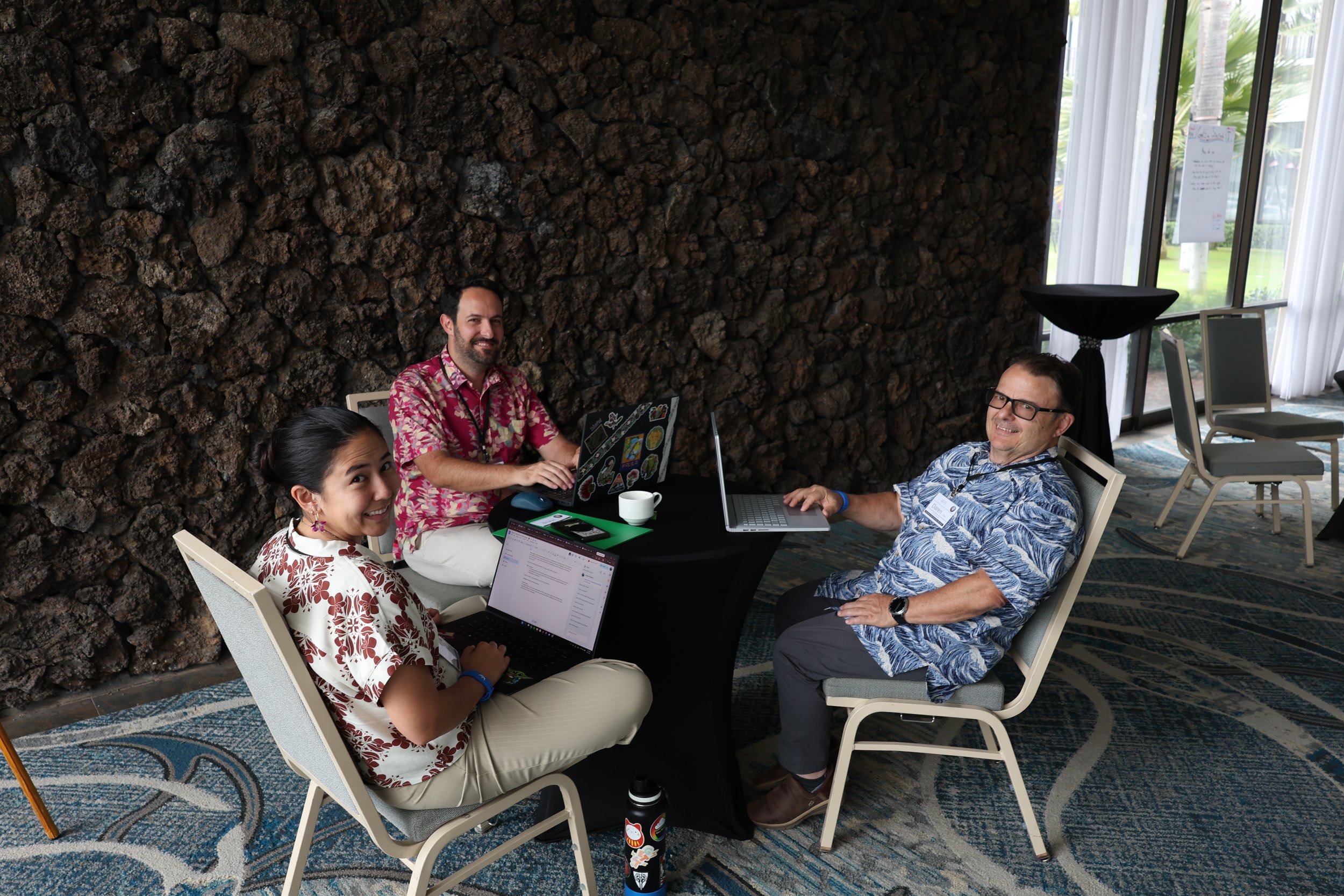
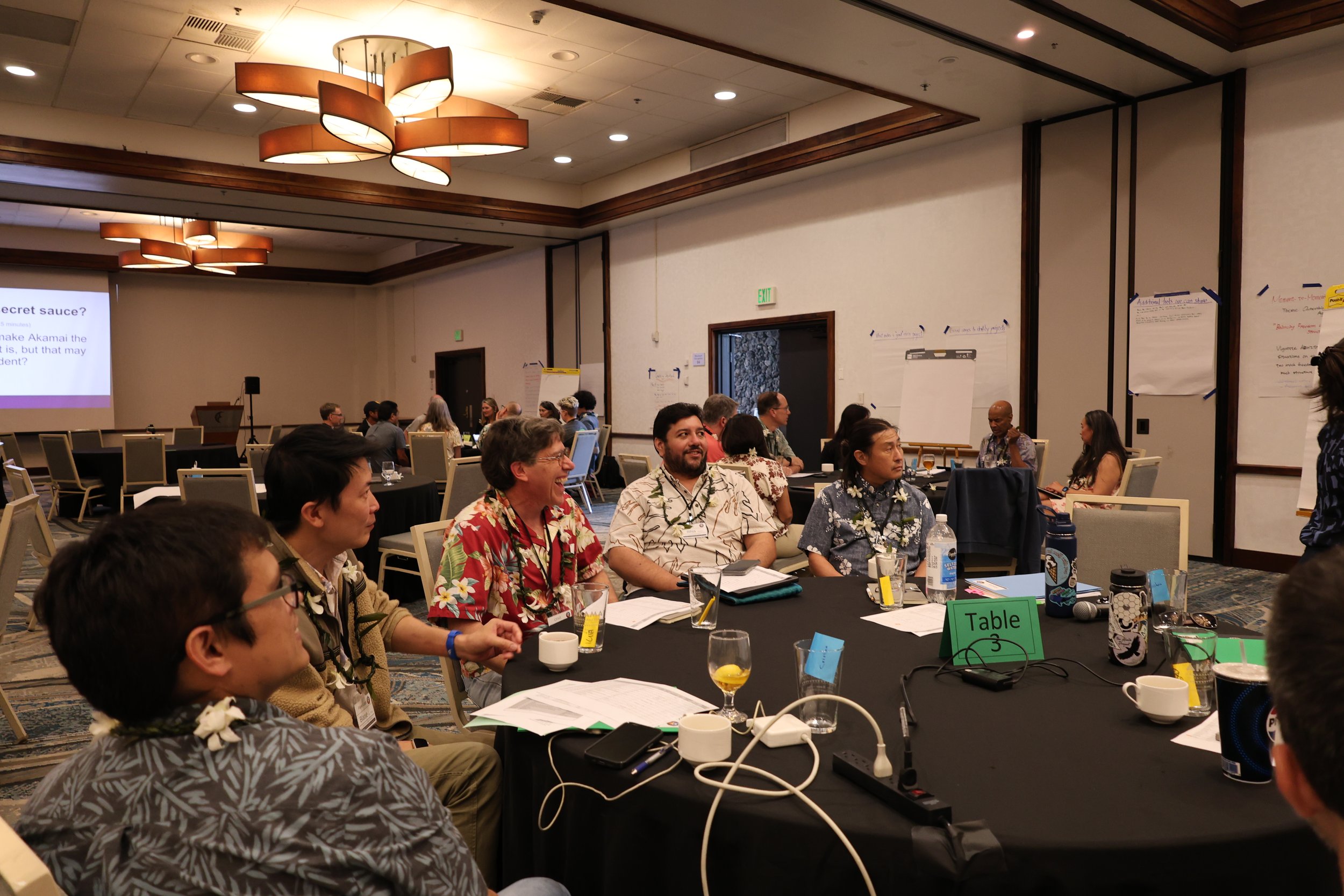
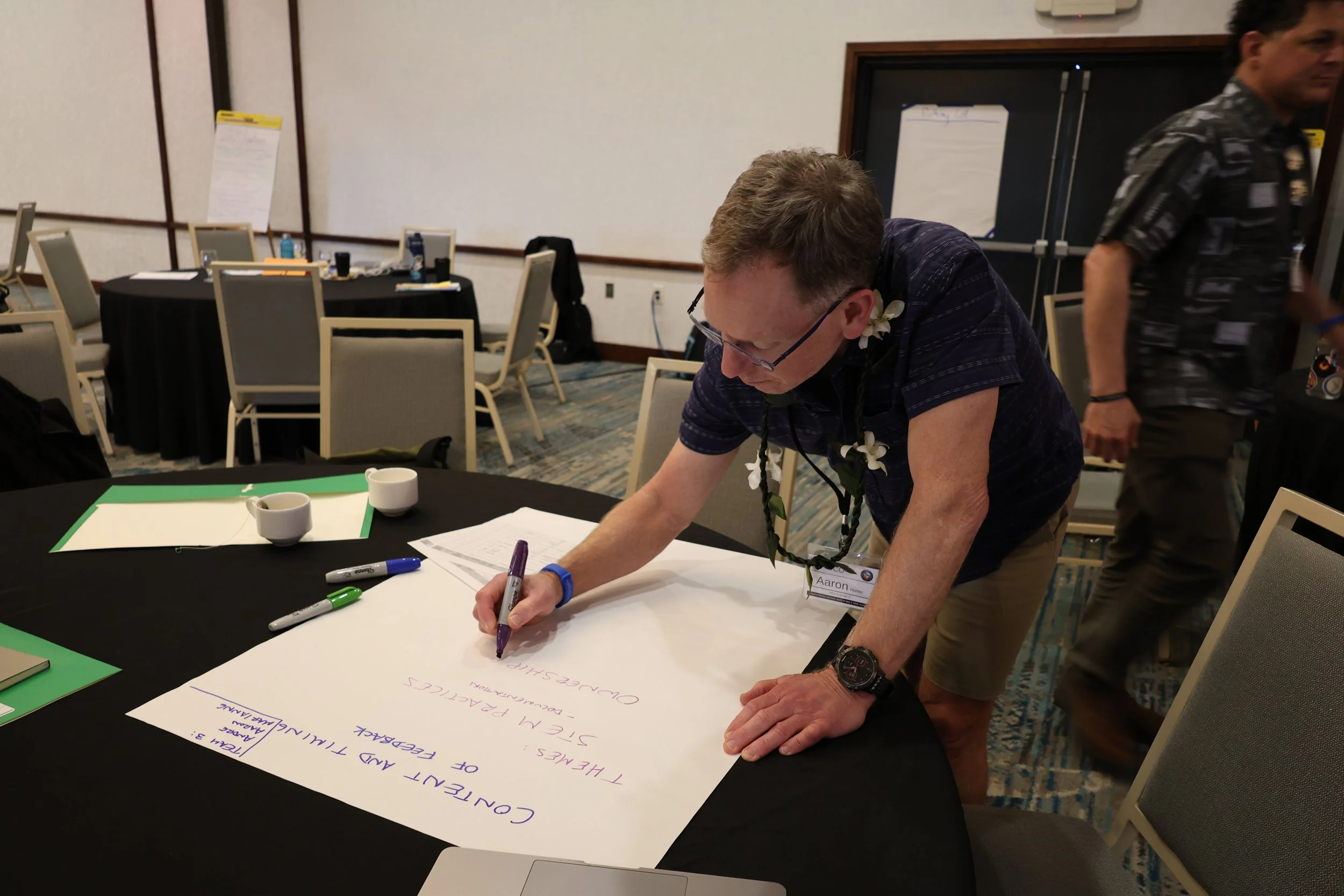
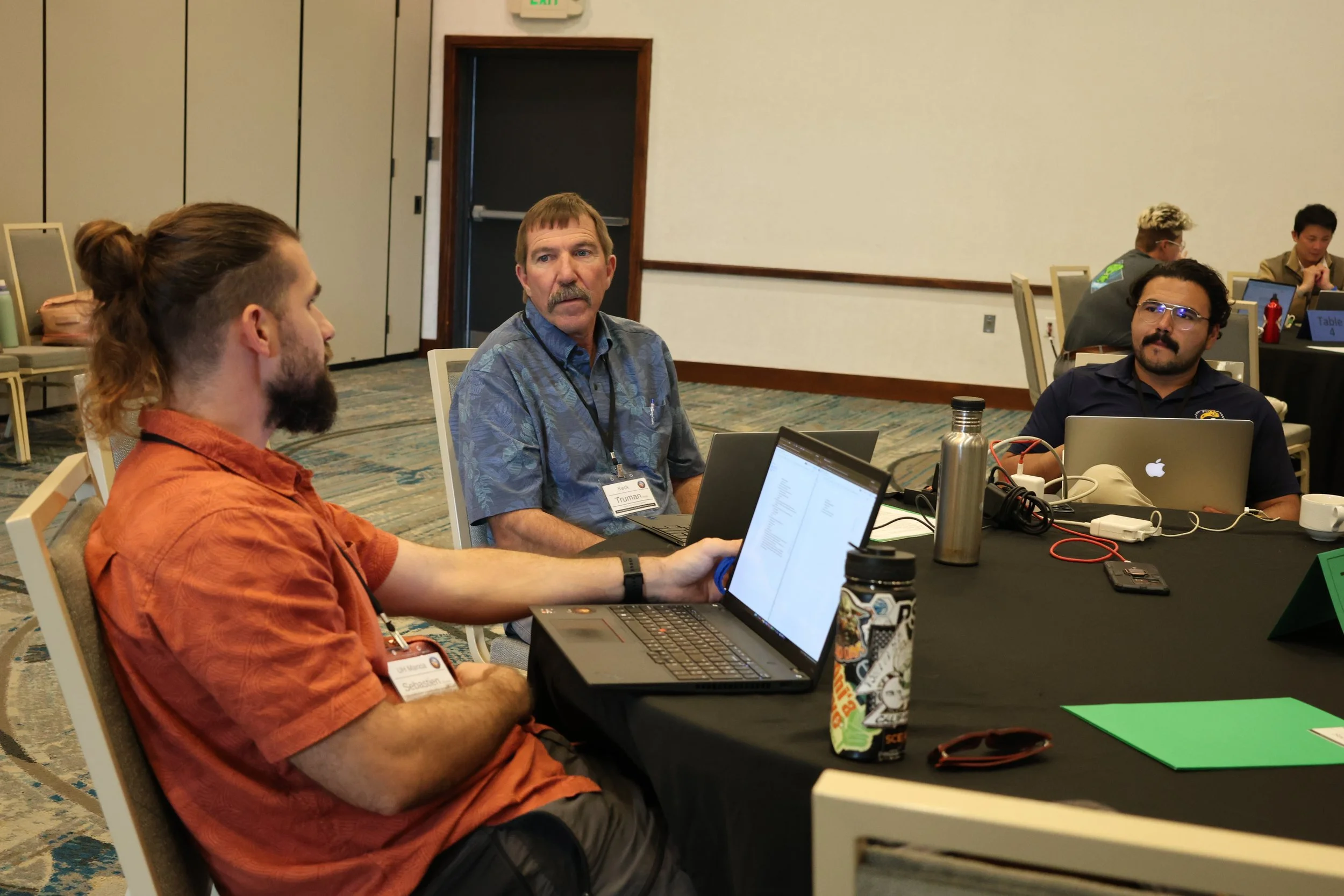
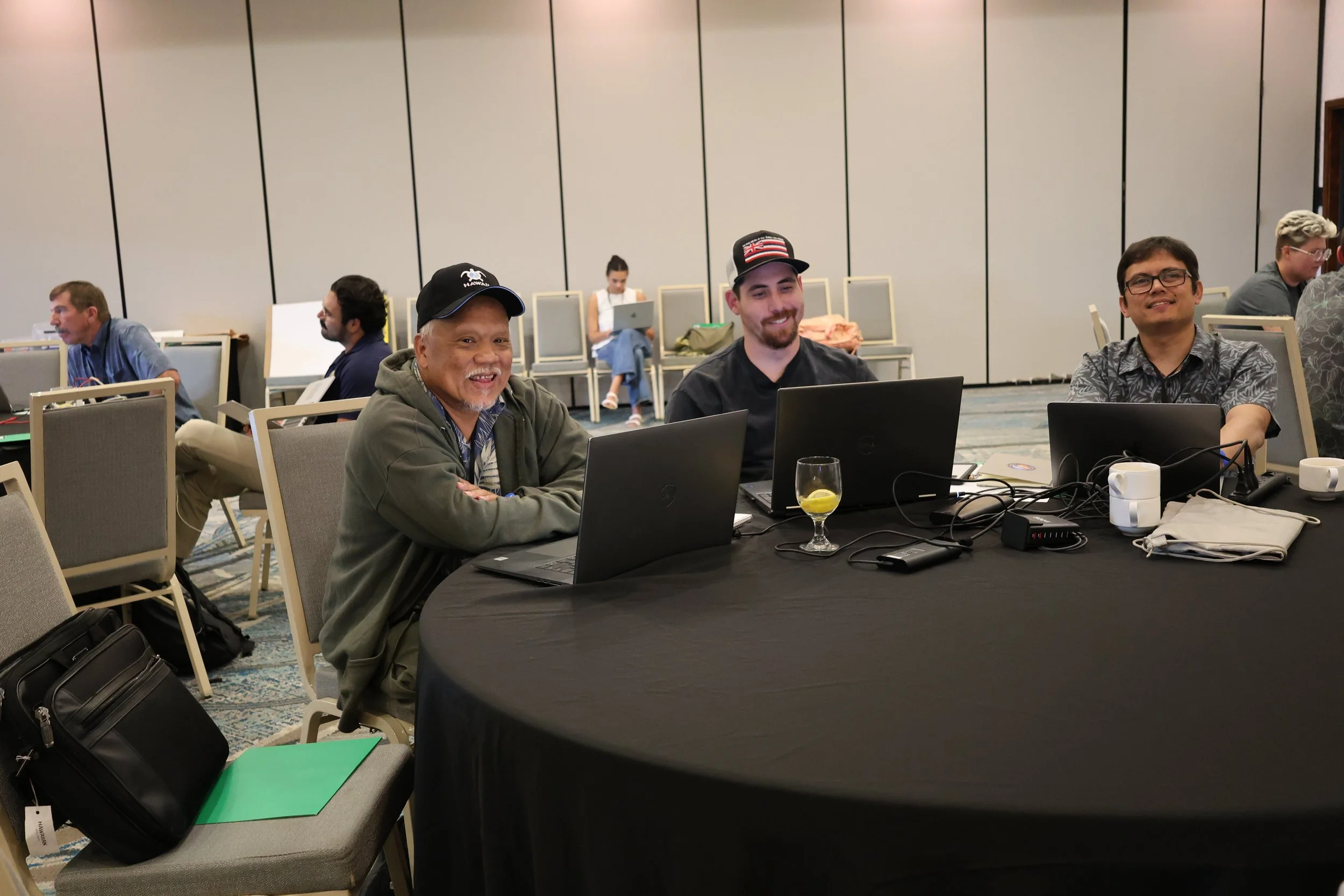
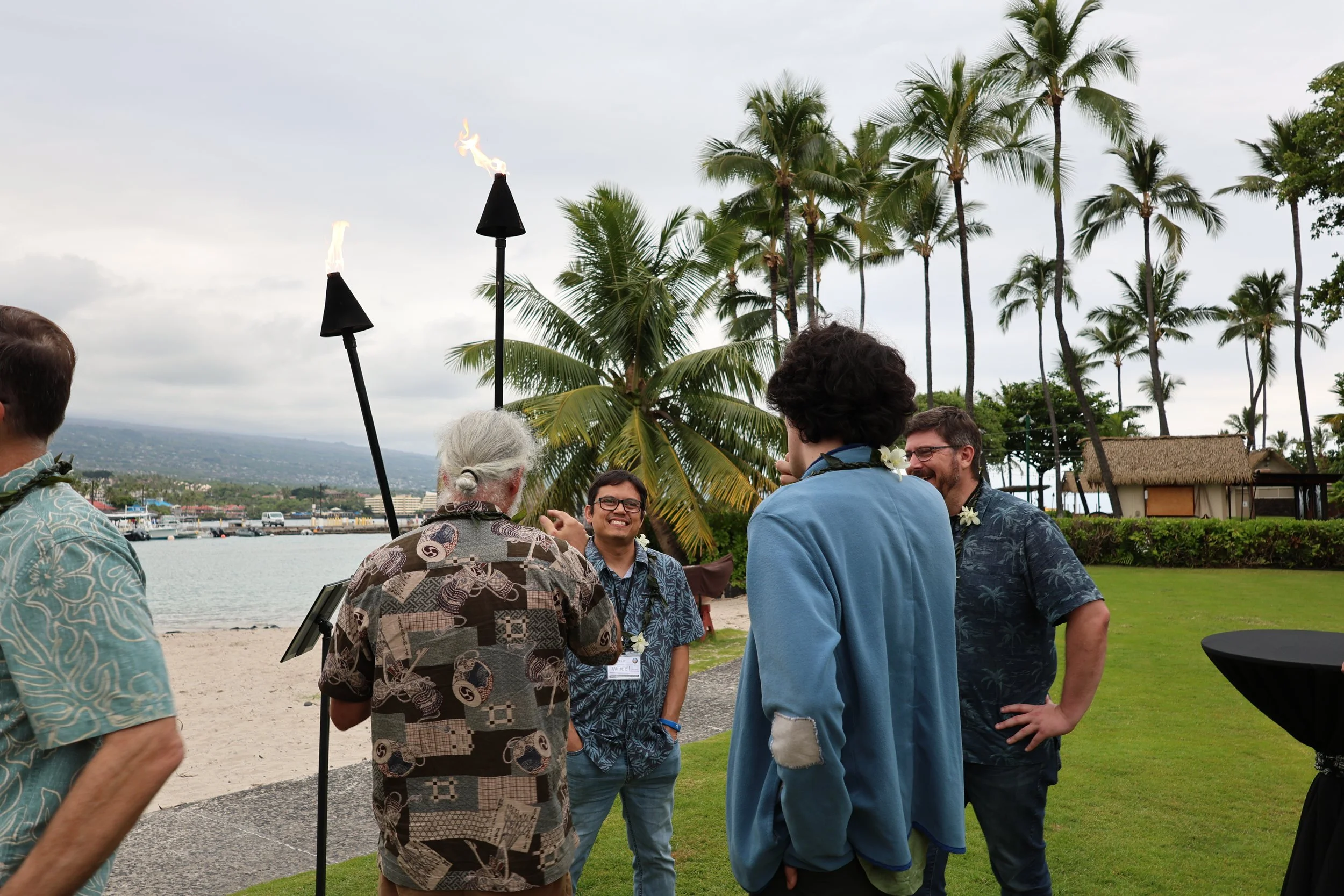
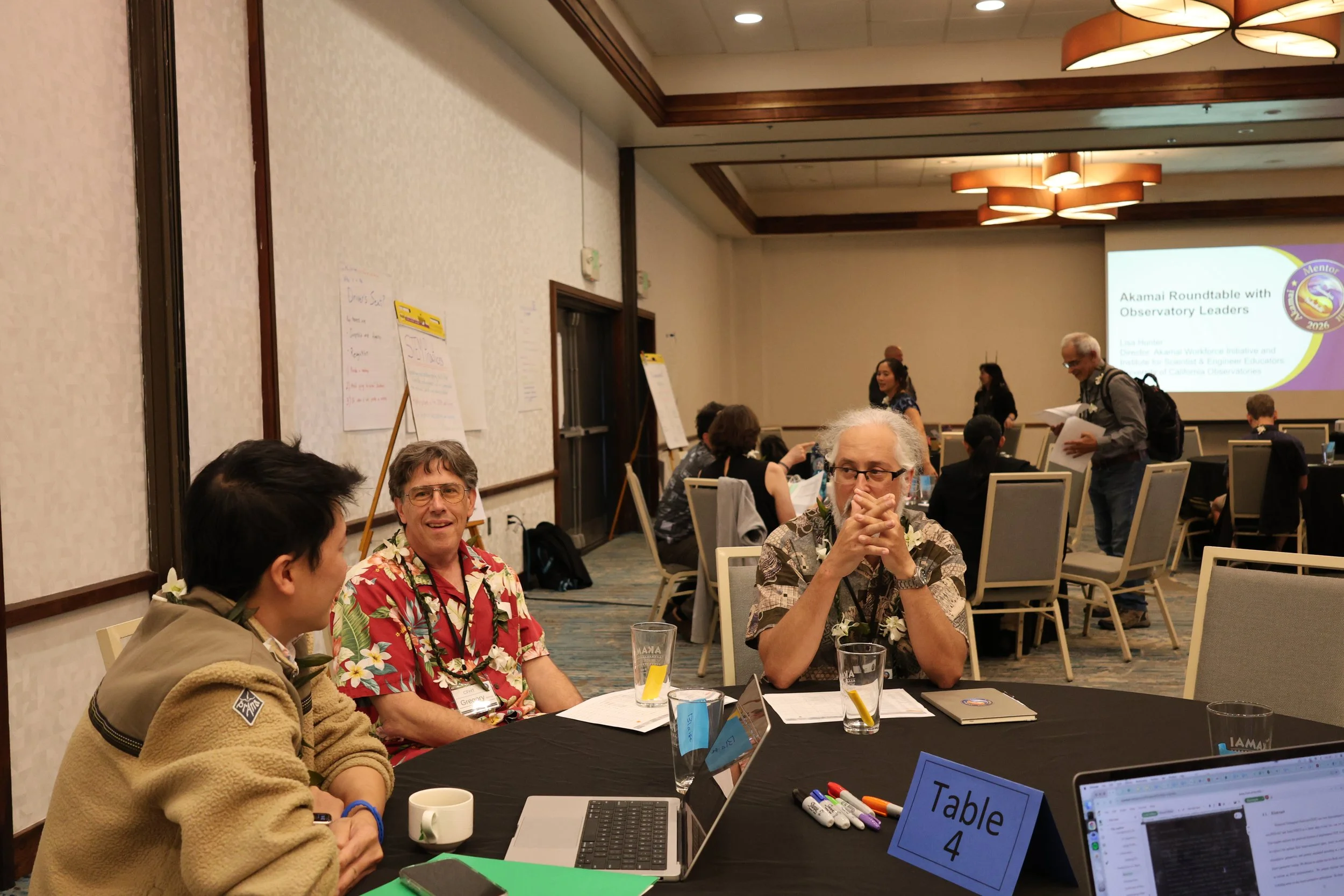
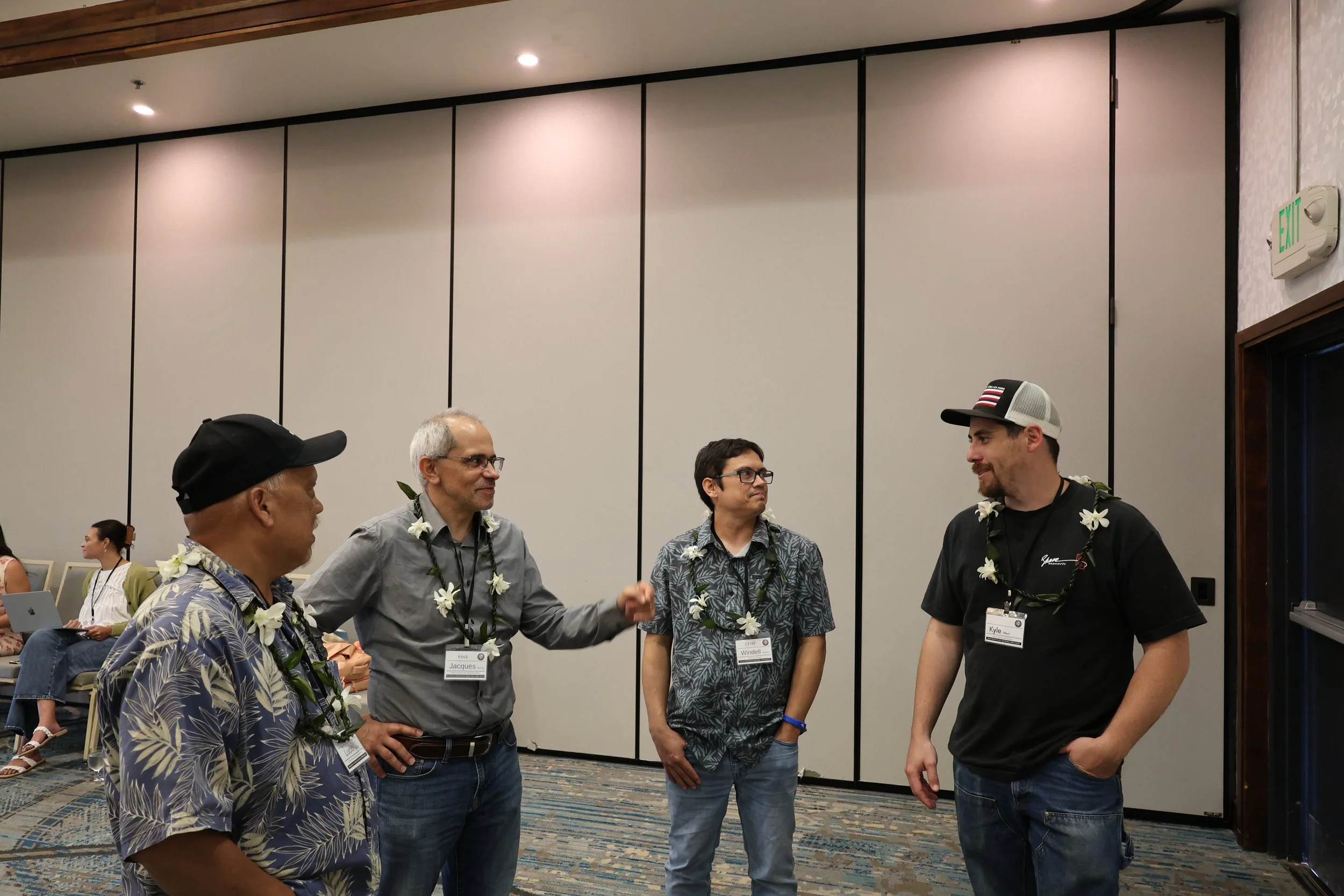
Each group worked together to develop examples of the best ways to support interns’ growth in their thematic area at different ‘leverage points,’ or places in an intern’s project where a small shift in mentoring can have a big impact on their experience. They also compared their examples to ways that mentors often respond that may have a negative impact on the intern.
The four themes are based in research on what makes people stay (“persist”) or leave STEM fields. As Jerome Shaw, associate director of the Akamai Workforce Initiative, said, “Scientists, engineers, and students are human; they have hearts. If an intern doesn't feel like they belong, they may not persist. When we feel welcome, accepted, and comfortable, we are motivated to do the hard work and to achieve.”
Between discussions, alumni were joined for a Roundtable with Observatory Leaders including Rich Matsuda from the W.M. Keck Observatory, Dave Boboltz and Paul Jeffers from Haleakala Observatory, and Phil Hinz from the University of California Observatories. Each observatory leader shared perspectives on mentoring and learned more about what makes Akamai so special from the mentor’s perspective. The role of the team of professionals behind the program was identified by many as the unique and most impactful aspect of Akamai. These observatory leaders also pointed out that it’s not just an investment in the future of our local students; the program supports the health of Hawaiʻi’s current STEM workforce as mentors apply what they learn to their day-to-day interactions with peers in ways that have a positive impact on the work environment.
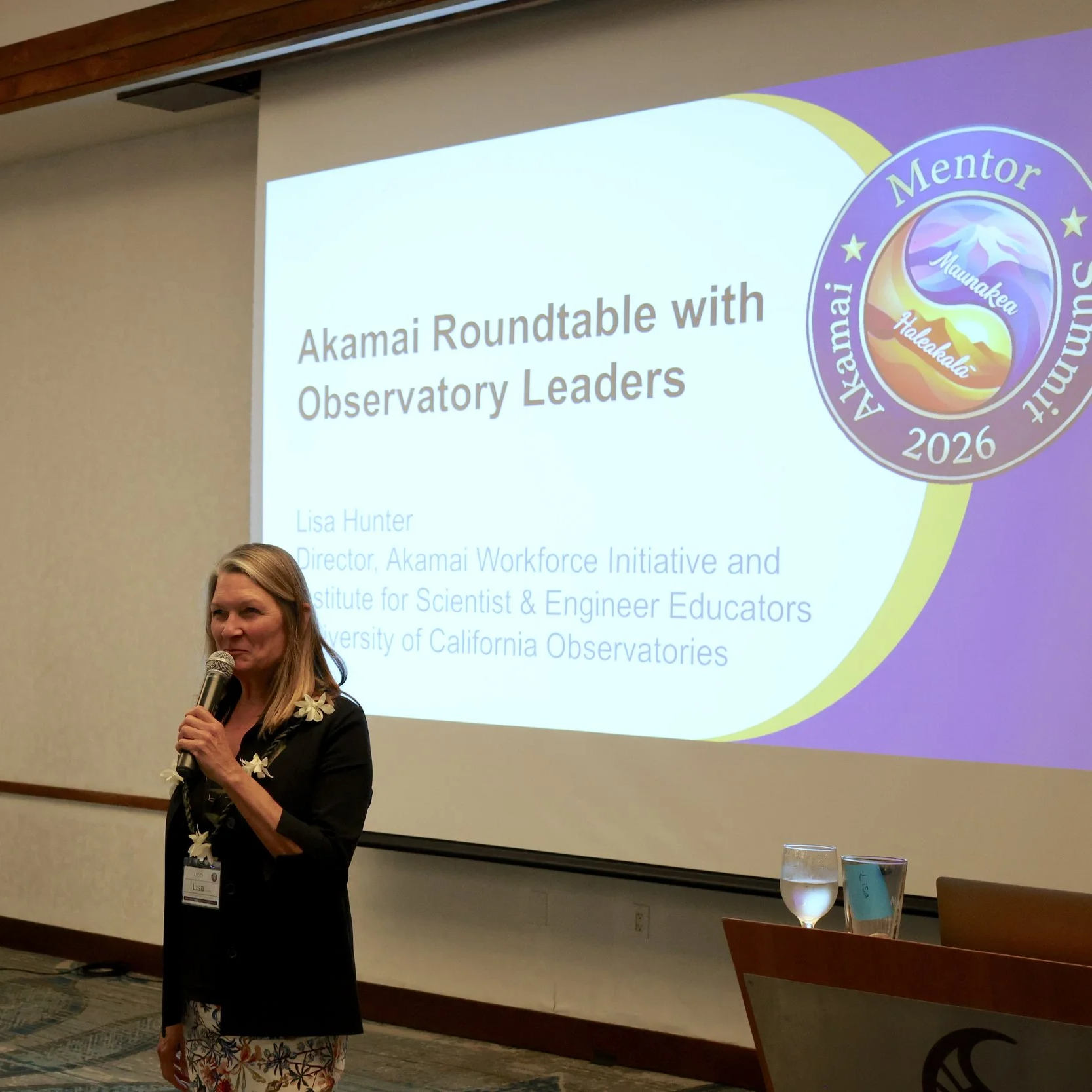
Lisa Hunter, Akamai Workforce Initiative
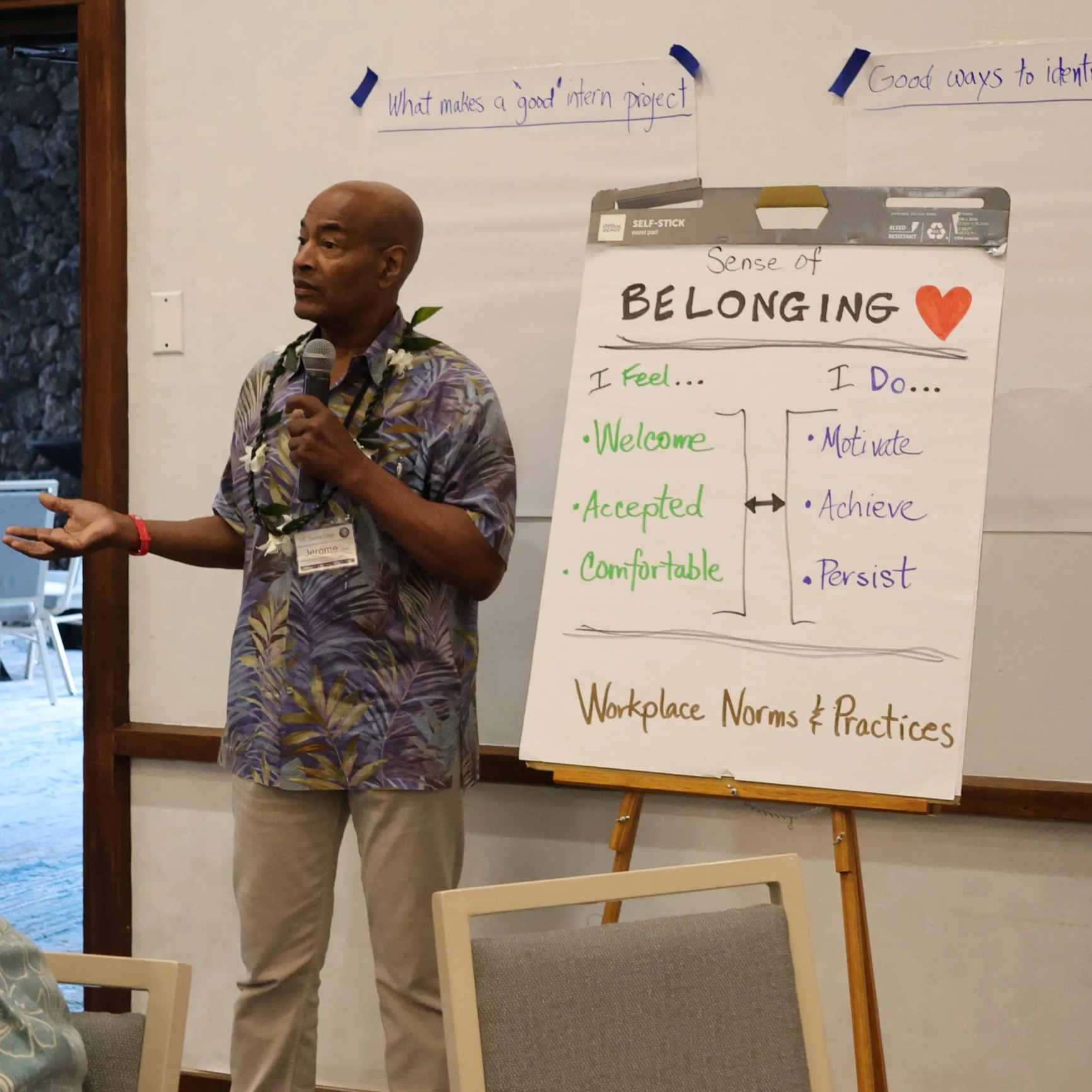
Jerome Shaw, Akamai Workforce Initiative
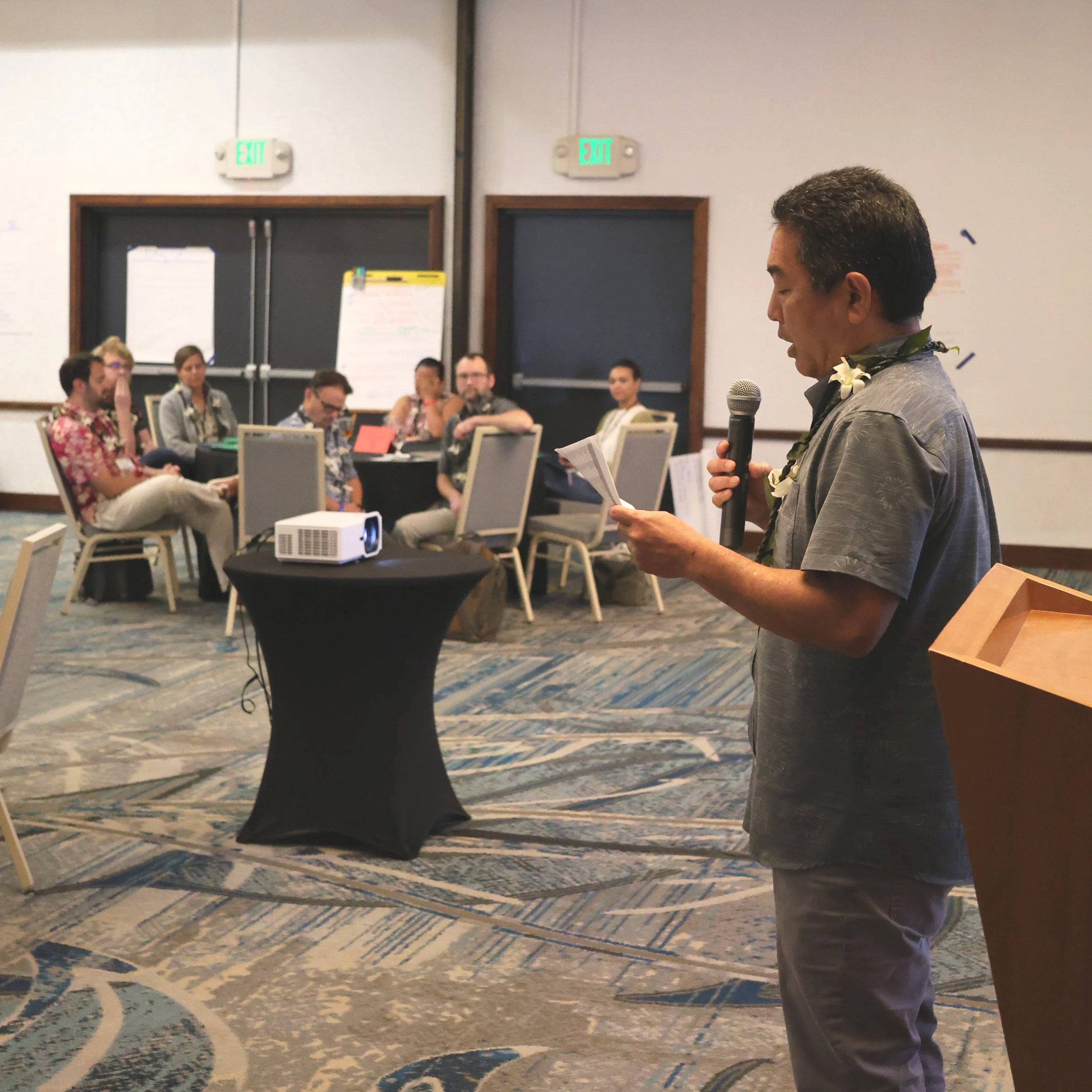
Rich Matsuda, W.M. Keck Observatory
After many conversations, the Summit came to an end with each group presenting their scenario or vignette. Lisa shared that "the mentors had a task to complete during this summit, but it's not just about the product. It's about the conversations that take place to get there,” and she hopes the outcomes of those conversations will spread much further.
The Summit was meant to develop best practices for providing a valuable internship experience, but it was also meant to find ways to publicly share that knowledge. They are doing just that with Akamai’s new Mentoring By Design website, where each alumni group’s project will be available to the public.
“We hope that the Mentoring By Design website will be useful to others who want to be more intentional in how they mentor,” Lisa said. “The site provides concrete examples, created by mentors, of how to take an idea for a project and then make small changes to make it more productive for both the intern and the mentor.”
Improving how we approach mentorship improves outcomes for local students and the future of STEM in Hawaiʻi. The Akamai Mentor Summit showcases the dedication of Akamai mentors and program professionals to creating environments that allow students to get the most out of their internships. The Akamai Program continually strives to improve, to give more, and to persevere, modeling the path to success for each intern — and now for mentors around the world.
