
Under the Stars at Moʻokini Heiau
One of Hawaiʻi's oldest and most sacred heiau, Moʻokini remains a living spiritual place where generations have gathered in relationship with the land, the sky, and one another. With the invitation and blessing of Kahuna Nui Leimomi Lum, steward of Moʻokini Heiau, and her ʻohana, families once again gathered for an evening of storytelling, guided stargazing, and telescope viewing during an ʻOhana Stargazing event.
Children laughed as they chased one another across the grass while families settled onto colorful blankets and camping chairs. As the last sunlight faded over Kohala, the grounds of Moʻokini Heiau filled with anticipation for an evening where Hawaiian tradition and modern astronomy would come together.
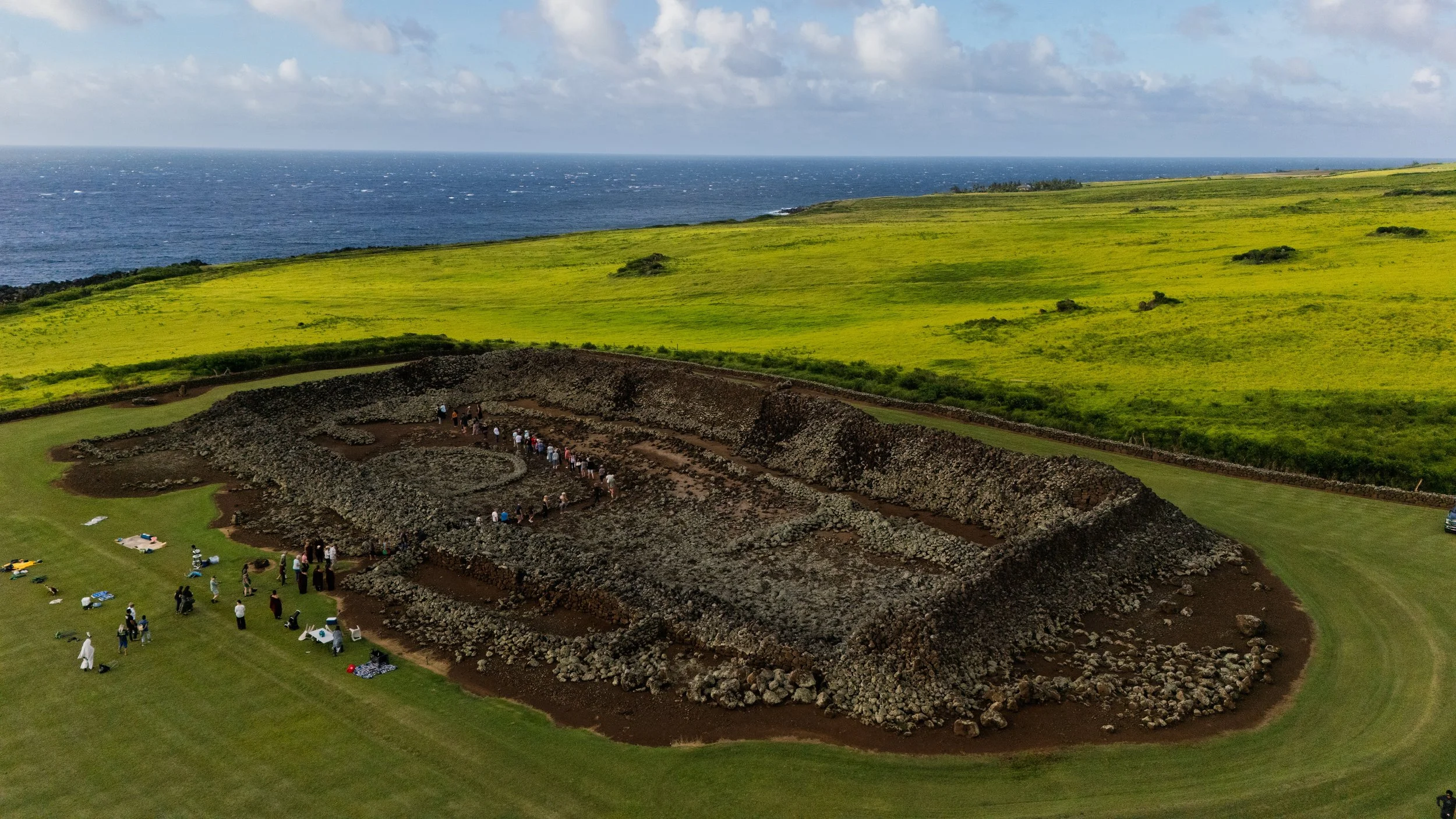
Before the sun set, participants gathered in cultural protocol led by Hālau Kawehileimamoikawēkiu'oKōhala and quietly entered the heiau together, carrying hoʻokupu (offerings) as a gesture of gratitude and respect. As a space stewarded by generations of the Moʻokini-Lum ʻohana, the evening began with an invitation to learn how to respectfully enter and experience this sacred place. Throughout the evening, telescopes became just one way of engaging with a place where relationships between people, place, and the night sky have been nurtured for generations.
"Astronomy or Kilo Lani has always been, and continues to be, an essential part of life and culture in Hawaiʻi. We have long used the stars to voyage, guide ceremonies, and shape our daily lives through the phases of the moon. By gathering here with community partners like ʻOhana Kilo Hōkū and the Maunakea Observatories, we are perpetuating traditions rooted in this place, using telescopes as modern tools to continue our relationship with the sky," said Leinani Lozi, Hawaiʻi education and engagement manager at the International Gemini Observatory, a program of NSF NOIRLab.
For many attendees, the opportunity to experience the night sky from Moʻokini Heiau carried a multitude of meanings. The evening offered a chance to learn about the stars above from a traditional perspective with moʻolelo shared by Kumu Hula Leilehua Yuen and what it means to gather with respect in a place that has been stewarded by generations of Native Hawaiian families.
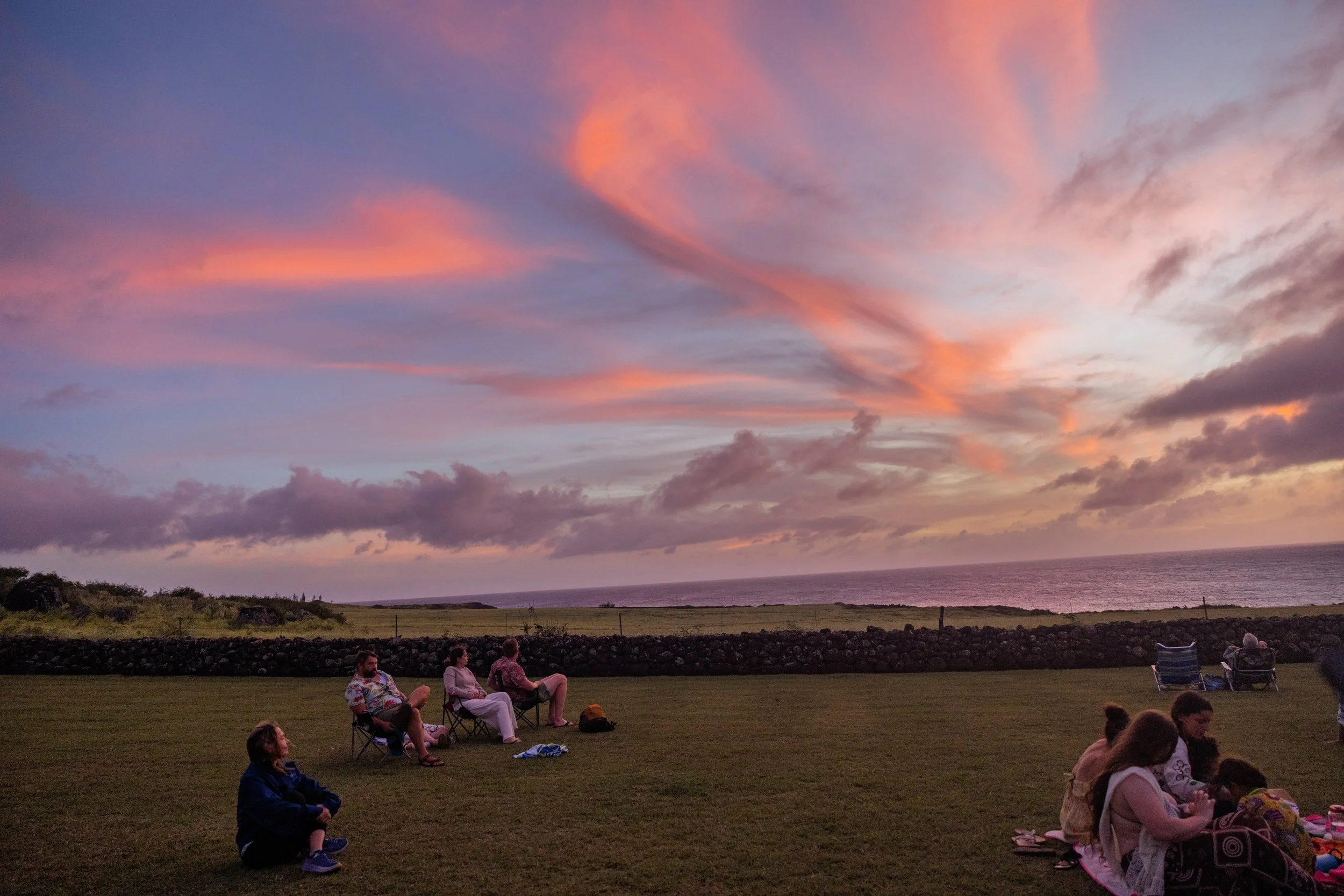
Leading one of the evening's guided star tours, Maunakea Visitor Information Center Engagement Associate Krystal Schlechter pointed to Mānaiakalani (Māui's Fishhook) before tracing the path to other stars that Hawaiian navigators have relied upon for generations. As participants followed her gestures across the sky, constellations transformed from distant points of light into familiar guides with names, stories, and purpose. Nearby, families took turns looking through telescope eyepieces, seeing familiar celestial bodies from a new perspective while hearing the stories that have connected people to the heavens for generations.
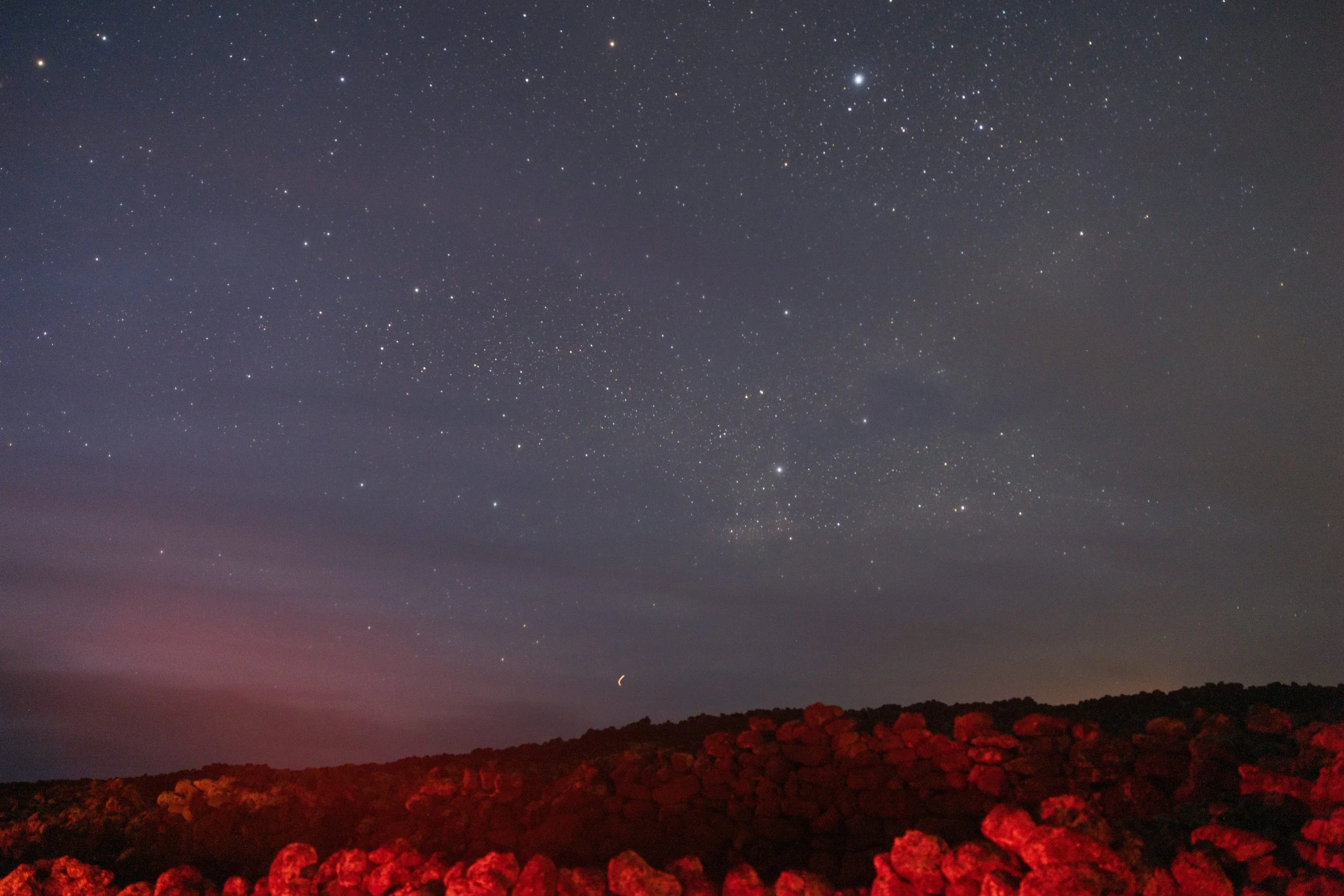
Participation in events like ʻOhana Stargazing reflects Maunakea Observatories' commitment to community engagement by creating opportunities for ʻohana across Hawaiʻi to experience astronomy in places that hold deep cultural significance. Through partnerships with organizations like ʻOhana Kilo Hōkū and the stewardship of the Moʻokini-Lum ʻohana, these gatherings invite new generations to connect with the night sky through both cultural tradition and scientific exploration.
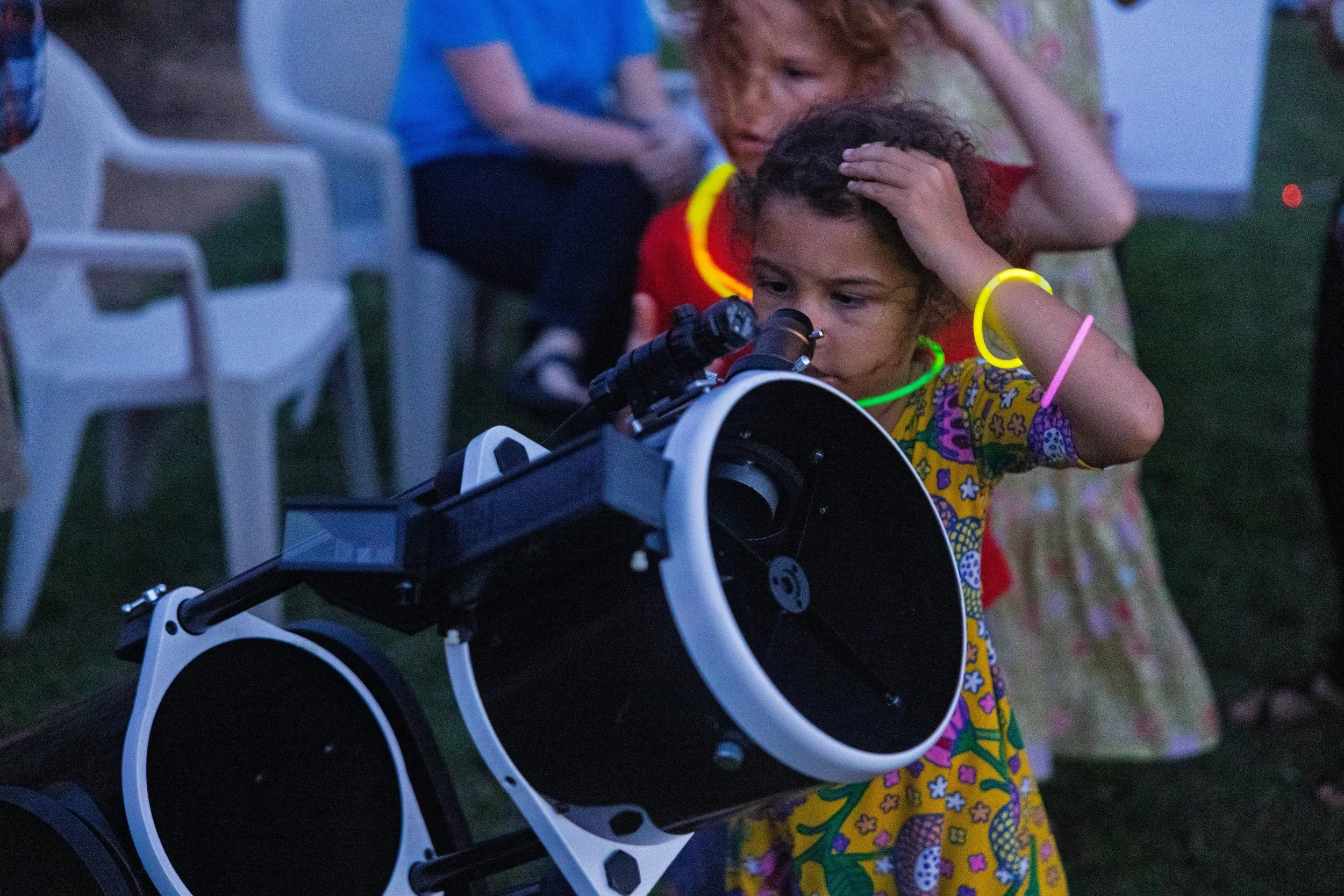
As the evening came to a close, children lingered at the telescopes while others remained on blankets, looking skyward long after the tours had ended. At Moʻokini Heiau, the evening offered not only a chance to observe the stars under the expansive dark skies. It was an opportunity to gather with respect, learn from place, and continue a relationship with the night sky that has connected generations.
